


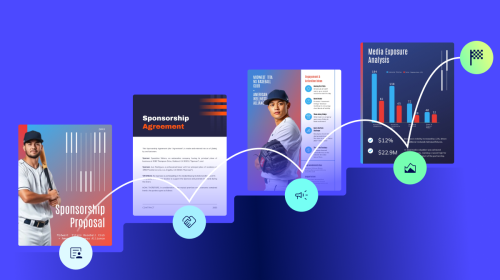
A Quick Guide on Sponsorship Marketing: Best Framework, Examples & Tools


The global sports industry is now worth hundreds of billions of dollars and sports marketing is one of its most powerful growth engines.
Every decision, from ticketing campaigns to sponsorship activations to digital fan experiences, is now tied to measurable business outcomes. And as media habits fragment and fan expectations rise, the margin for error continues to shrink.
Today, sports marketers are no longer judged on creativity alone. You are expected to fill stadiums, drive merchandise sales, secure powerful partnerships and adapt to constant change all at the same time.
Everything moves so fast and you have to keep up or risk your sports brand becoming invisible.
That constant adaptation is exactly what we address in this sports marketing playbook.
In this guide, you’ll learn everything you need to know to stay at the top of your game in your sports marketing career, regardless of what changes in the industry and what happens on the field.
Sports marketing is a field of marketing that connects sports and non-sports brands with sports fans and clients.
To truly understand sports marketing in all its glory, we must define its two main categories: Marketing of sport and marketing through sport.
What is the purpose of sports marketing?
At its core, the goal of sports marketing is to leverage the emotional connection between fans and their teams to drive awareness, engagement and, of course, revenue.
The goal in marketing of sport is for teams and leagues to increase ticket sales and merchandise revenue, get stronger broadcast ratings and keep renewing sponsorship deals at premium rates.
When it comes to marketing through sport, the goal is for brands partnering with sports to access highly engaged audiences, build brand affinity and drive purchase intent among sports fans.
Aside from the results-based aspect of sports marketing, professionals in the industry also have personal goals: to be better, to aim higher.
Youssef Morsy, a sports specialist, believes in the magic of doing the work itself:
“One of the biggest perks [in sports marketing] is the environment. From matchdays and events to content shoots and partnerships, no two days look the same. You’re constantly learning, adapting and pushing to stay relevant in an industry that never slows down.”
Sports marketing and sports management are sometimes confused with each other, but they’re actually two distinct disciplines.
As we’ve already seen, sports marketing focuses on the commercial and promotional aspects of sports.
Sports management, on the other hand, is about the broader operational aspect of running a sports organization, including facility management, team operations, athlete contracts and business administration. A sports manager focuses on the day-to-day functioning of teams, leagues and venues.
Made with Visme Infographic Maker
There are seven core pillars that work together as an effective sports marketing mix. None of these are siloed functions; they all depend on one or more of the other functions to be truly effective.
Made with Visme Infographic Maker
Brand storytelling in sports is about crafting narratives that resonate with fans, fostering deeper connections and loyalty to a team or individual athlete. It also sets the tone for how your sports brand communicates through marketing strategies.
When these strategies involve sponsorships, partnerships or endorsements, then the band stories of all the involved parties must align in some way for the relationship to make an impact.
Take, for example, Netflix's "Drive to Survive" series. The producers took the energy and excitement of Formula racing and added high-stakes human drama. This storytelling strategy significantly expanded the sport's global fanbase and increased revenue for both parties, proving the power of authentic narrative.
These are the ways in which brand storytelling supports your sports marketing efforts:
An engagement is one of the non-avoidable sports marketing essentials. Fandoms are an extremely important piece of the puzzle because, without them, who are you marketing to?
We can define fan engagement in three categories: physical, transactional and digital.
Fans attend games in stadiums and cheer for their favorite team. Many fans travel to away games when they’re important, like semi-finals or championship finals. They wear their team’s jersey, paint their faces with the team colors and live the experience to the max.
Aside from attending games, fans can also take part in sponsorship activations, book stadium tours, meet and greets with players, attend conferences or activations with their favorite players.
Transactional engagement
Fandoms spend money on their teams and players. This is a big part of their engagement. They buy apparel, memorabilia and, of course, tickets to games. According to a study by Ally Bank, sports fans spend an average of $1,600 per year to support their teams, while "fanatical" fans spend nearly $2,200 annually.
This is what they spend their money on:
Fans spend their money on sports entertainment, merchandise and experiences because they believe in their teams and feel like sports are a big part of their lives.
Like Lindsay Sacknoff, head of consumer banking at Ally, remarks, "It's clear that fandom transcends mere dollars and cents: it's about identity, community and being part of something bigger. You can't put a price tag on that."
The third type of fan engagement is digital. This begins with fandoms following teams' and individual athletes' social media accounts, commenting and sharing with their friends.
In IBM’s 2025 Sports Survey, researchers found that 90% of fans consume sports content beyond watching events, with younger fans particularly hungry for behind-the-scenes access and non-game-day content.
And thanks to AI, digital engagement is only growing and becoming more important every year. When sports marketers use AI to drive fan engagement, interaction can increase by 35-50%.
Sponsorship is the main element in this pillar. But under its umbrella, there are also partnerships and endorsements.
All three are types of relationships that athletes, teams and leagues can have with brands and companies that wish to support them.
These relationships represent the single largest revenue stream in sports marketing. Research and Markets forecasts that the global sports sponsorship market will reach $189.5 billion by 2030, growing at 8.73% year over year.
As this pillar becomes more influential, the value of data increases.
Research shows that 81% of consumers trust sponsorships to help them make sports-related decisions like buying game tickets or apparel.
That’s why sponsors need access to first-party fan data, activation rights and clear attribution. They’ll increasingly demand that the sports brands they work with offer measurable ROI through digital tracking and engagement metrics.
Furthermore, athlete endorsement has grown exponentially through Name, Image and Likeness (NIL). For example, SponsorUnited research shares that the NIL economy has grown into a $1B+ market in just four years, with basketball players—especially women—leading in brand partnerships and technology brands seeing 29% growth.
Activations is where sponsorship deals come to life through different types of events where fans can participate. The actual practice is called Activation management and is a subset of partnership and sponsorship marketing. The activation managers plan, execute and measure for ROI and impact.
The purpose of sponsorship activations is to design and enable unforgettable experiences that benefit both the sponsor and the fans. Activations can be experiential, in-person or digital, in stadiums, malls, schools, public spaces and more. The best ones create unforgettable moments that enhance the fan experience while also delivering sponsor objectives.
For example:
The most successful activation marketing strategies are year-round disciplines rather than game-day afterthoughts. Dedicated teams build activation calendars that extend across pre-season, regular season, playoffs and offseason, creating touchpoints that keep sponsors visible and engaged throughout the entire partnership.
As the activation industry keeps changing, digital experiences are growing rapidly due to their measurable ROI and engagement capabilities, with 25% of sponsors adopting advanced analytics systems to track activation effectiveness.
Every aspect of marketing in the sports world requires content creation, ranging from event banners to social media and more.
Videos, in particular, are the highest performers in sports marketing. According to data from Datareportal, 92% of internet users watch video content weekly, with 24.8% of those people watching sports clips or highlights.
The demand for sports content is relentless and sports brands are expected to create fresh, engaging material across multiple platforms. That’s why sports organizations need teams with tools that can produce game-day graphics, player spotlights, sponsor activations, behind-the-scenes footage and real-time social media content—often simultaneously.
Visme, for example, is a great option for a sports marketing team to have in their content tech stack.
Further on in this guide, I’ll share how you can use Visme to create content for your sports marketing on social media and everywhere else.
Analytics and reporting are essential to the infrastructure of sports marketing strategies. Not only do they prove the ROI of your efforts, but they also drive decision-making at every step of the process.
First, to improve your sports marketing strategies over time, you need to measure their impact and iterate based on the results. And to have your stakeholders, partners and higher-ups back your ideas, you need to report to them regularly, using clear data visualizations and storytelling techniques.
The data backs it all up. The sports analytics market is currently valued at $4.47-4.80 billion and projected to reach up to $24 billion by 2032. Likewise, real-time analytics have become standard; over 75% of professional sports teams use real-time analytics during games to gain a competitive advantage.
On the business side, 25% of surveyed sponsors have already adopted advanced analytics to accurately measure sponsorship ROI.
Sports marketing is most active during a sports brand's game season. For instance, the NFL has one season a year and the FIFA World Cup is every four years. During these times, marketing strategies are at their peak, spanning all pillars to maximize engagement and revenue.
But for your sports marketing efforts during the season to be successful, you need consistency and clear governance.
Consistency means fans experience the same quality, messaging and brand identity whether they interact with your team at the start of the season or during the championship finals. Every social media post, stadium experience, email campaign and sponsor activation must feel connected to the same overarching story and strategy. For example:
When talking about both the marketing of sports or through sports, several marketing types apply.
Marketing agencies of different sizes offer these services in different combinations. For example, there are agencies that do only sponsorship marketing and others that do only event marketing. Likewise, larger agencies might offer all options either individually or as package deals.
Beyond agencies, there are also plenty of professional marketers who work on their own to offer these services to small local teams and athletes at the start of their careers.
Let’s discuss each one.
This aspect of sports marketing is both a pillar and a type. We already looked at the differences between sponsorship, partnership and endorsement. Now we’ll discuss how they’re approached in a marketing sense.
Since sponsorship marketing is such a big business, there are tons of dedicated providers and partners to help sports brands reach sponsorship goals. These range from big-name agencies to individual agents for local pro teams and representatives for grassroots clubs.
This is how sponsorship, partnership and endorsement marketing works:
Here’s a current example of a sponsorship relation. It's an Instagram post featuring Simone Biles endorsing Athleta, an athleisure brand.
View this post on Instagram
Event marketing is one of the largest subsets of sports marketing because it touches many areas under the main umbrella.
Sports marketing events can be any of the following:
The image below is from a Nike Running activation with the Chicago Marathon. They set up a bunch of billboards along the race with inspiring messages for the runners taking part.
View this post on Instagram
Digital marketing encompasses all marketing activities conducted online or via digital devices. It’s one of the primary channels for fan engagement, with streaming platforms capturing 46% of all TV viewing time as of 2025.
According to Nielsen’s Future of Sport Report, 54% of young adult sports fans follow their favorite athletes on social media. And the Interactive Advertising Bureau found that as of 2025, digital platforms captured 58% of video advertising dollars compared to traditional TV's 42%.
The scope of digital marketing in sports includes:
The TikTok below shows the Barça team flying to Saudi Arabia for a match. In the video, the team adds a greeting to the Culers, their fans.
@fcbarcelona Next stop: Saudi Arabia 🇸🇦 #fcbarcelona #barçaontiktok ♬ sonido original - fcbarcelona
Content marketing in sports is all about creating valuable, engaging content that keeps fans connected year-round. Did you know that during the off-season, 95% of fans still interact with their teams? This creates a huge opportunity for content marketing across many different styles.
Daniel Kirschner, CEO of Greenfly, has seen how content makes a difference in sports and shared his findings with IMG’s Digital Trends Report 2025;
“Short-form content is now a primary way that many fans engage with sports and right holders must tap into its media and sponsorship value. It’s no longer just a teaser for live games; it’s becoming a main event. Fans rely on this content to follow and support their teams.”
Aside from short-form videos, here are some content marketing plays that work well:
They prompt women with this invitation: “We’re inviting women everywhere to change the picture of what getting active looks like – by sharing your own ways of moving on social media using #ThisGirlCan and tagging us.
Whether it’s a stretch in the living room, a kickabout in the park or a swim with friends, every woman’s story helps show that there’s no one way to be active.”
Below is an example of just one post from over 2 million that use the #thisgirlcan hashtag. This campaign is proof that brand hashtags are still relevant in marketing, including sports marketing.
View this post on Instagram
Broadcasting is the original form of sports marketing, but it has changed over time. More people now watch sports on live streaming services rather than on broadcast TV. According to AI Digital, in July 2023, streaming surpassed cable for the first time in U.S. viewing share, accounting for 38.7% of TV usage. By June 2025, streaming's share grew to 46%.
That said, the advertising spots during live NFL games are still the most valuable real state for sports marketing. Meaning that even though it’s changed, traditional broadcasting is still important.
A lot of the Super Bowl ads fit into the Marketing Through Sports category because they’re brands that aren’t inherently sport-related. But sometimes, the ads are directly sports-related, like Nike’s “So Win” commercial.
What worked in sports marketing ten or even five years ago, isn’t the same as what works today in 2016 (except for the commercials during the Super Bowl).
For starters, AI has profoundly changed how fans interact with their teams during the season and in the off-season. More tech, more data, and a growing presence of younger fans are making sports marketers think bigger and further outside the box.
Let’s take a look at some sports marketing strategies I consider the best performers.
What used to be called stadium tours has grown into what marketers now call the stadium experience. Many stadiums, especially the big and famous ones, offer activities to fans both during and off-season.
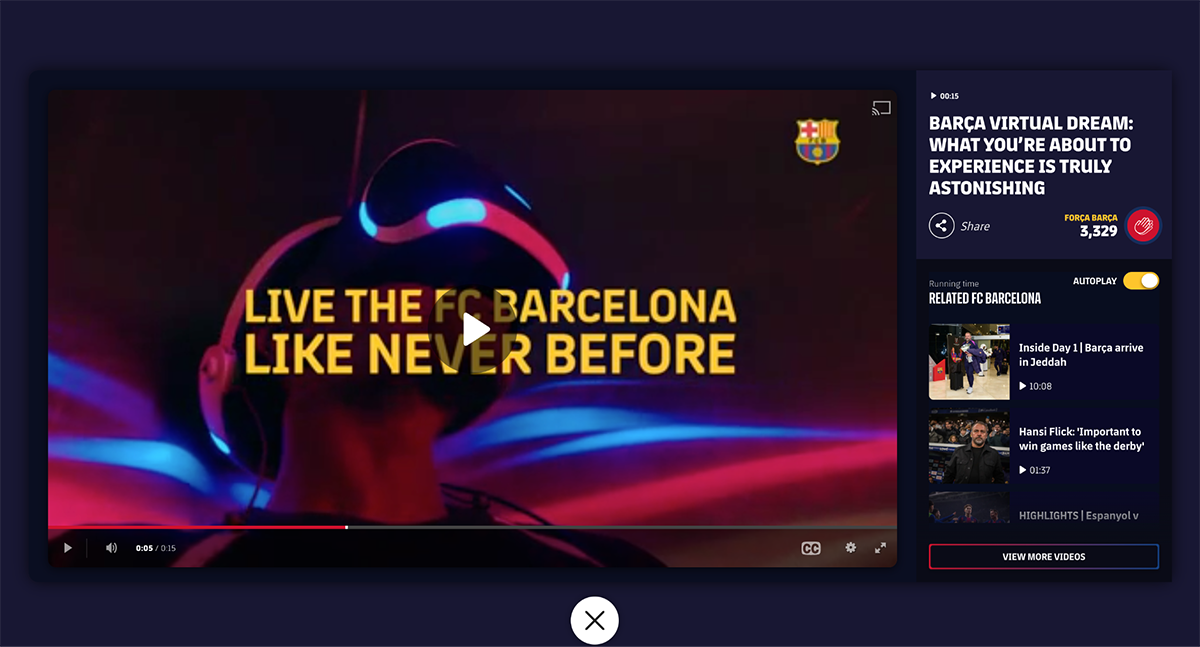
Typically, most stadiums are home to a specific team. And depending on the type of stadium, the experiences will differ. For instance, at the Camp Nou stadium in Barcelona, fans can book a tour of the newly refurbished stadium plus a VR experience called the Barça Virtual Dream.
At Fenway Park, fans can book tours of different types and for different interests. Likewise, they can book experiences such as learning about Fenway Park's history or trying on player uniforms.
Finally, Wembley Stadium offers several types of memberships for fans to experience match day however they like, from just next to the players to a fancy restaurant with a great view of the field.
Furthermore, the Stadium Experience also applies to how fans feel about the stadium, from queueing at the entrance to finding their seats and watching the match. The biggest, most-liked stadiums have strong WiFi, food ordering options, easy merch shopping, short lines to clean bathrooms and more.
For 2026 and beyond, the stadiums with the best-rated fan experiences will be those that analyze what’s working, what isn’t and what can be improved. Using human-first analysis and research, stadium experience marketers can improve not only how staff communicate but also how services are offered inside the stadium.
Omnichannel marketing is about creating a seamless experience across every touchpoint where fans interact with your sports brand. When done right, a fan’s journey flows naturally from social media to the stadium to the app to the merchandise shop, with each channel reinforcing the others.
According to Deloitte's research on immersive sports fandom, fans who engage across multiple channels spend significantly more and demonstrate higher loyalty than single-channel fans. Likewise, SportsPro's analysis shows that mobile devices serve as the central hub connecting experiences, creating a continuous feedback loop for fan monetization and data collection.
Here's what omnichannel sports marketing can look like in practice:
Sports marketing during the season is a given, as it applies to all strategies on this list. But one other strategy that should also form part of your team’s work is off-season fan engagement.
During the off-season, players train and rest. But that doesn’t mean your marketing efforts should stop. There’s no reason to stop everything until the pre-season; it’s best to be active throughout the entire year.
Deloitte's research reveals several factors that support the importance of off-season marketing, making it a critical period for audience growth:
Also, WSC Sports found that 55% of fans discover teams and players through short-form video during pre-season,
Here are some ideas for maintaining year-round fan engagement:
The strategy above was about the off-season. But how do you stay active throughout the entire year? The seasonal marketing cycle will help.
Augmented and virtual reality aren’t novel marketing techniques anymore; they have been actively influencing the marketing and advertising world, including sports marketing.
Let’s start with the data from Fortune Business Insights. According to their research, the global AR market is projected to grow from USD 140.34 billion in 2025 to USD 1,716.37 billion by 2032. Similarly, the VR market is forecast to grow from USD 20.83 billion in 2025 to USD 123.06 billion by 2032.
As you can tell, these are no longer trends and very much are and will be important in sports marketing. If your sports marketing strategies don’t include AR or VR, it’s time to consider incorporating them.
There are several angles you can explore with VR and AR Here are some examples of real campaigns:
\
With sports being such a vast entity worldwide, thousands of sports marketing activities are happening at all times, across hundreds of different sports and for millions of fans.
So, choosing the best sports marketing examples to share with you wasn’t that cut-and-dry. I’ve selected successful sports marketing campaigns from the most talked about, most loved by fans and those selected by Amar Singh for his yearly roundup.
And here’s a video we put together a while back with the BEST sports marketing campaigns ever.
The first example is the newest innovation stemming from their successful 36-year tech partnership between IBM and Wimbledon. In 2025, they launched two AI-powered features for enhancing digital fan engagement in their app.
What were the results of the campaign?
The partnership's 2025 achievements were impressive. The additions to the app were so powerful that the fan experience at Wimbledon was changed forever.
Like Chris Clements, Digital Products Lead at the All England Club, explained in the press release, the features "allowed fans to immerse and engage with matches in a way they have never done before."
The team shared the following results from the two AI improvements:
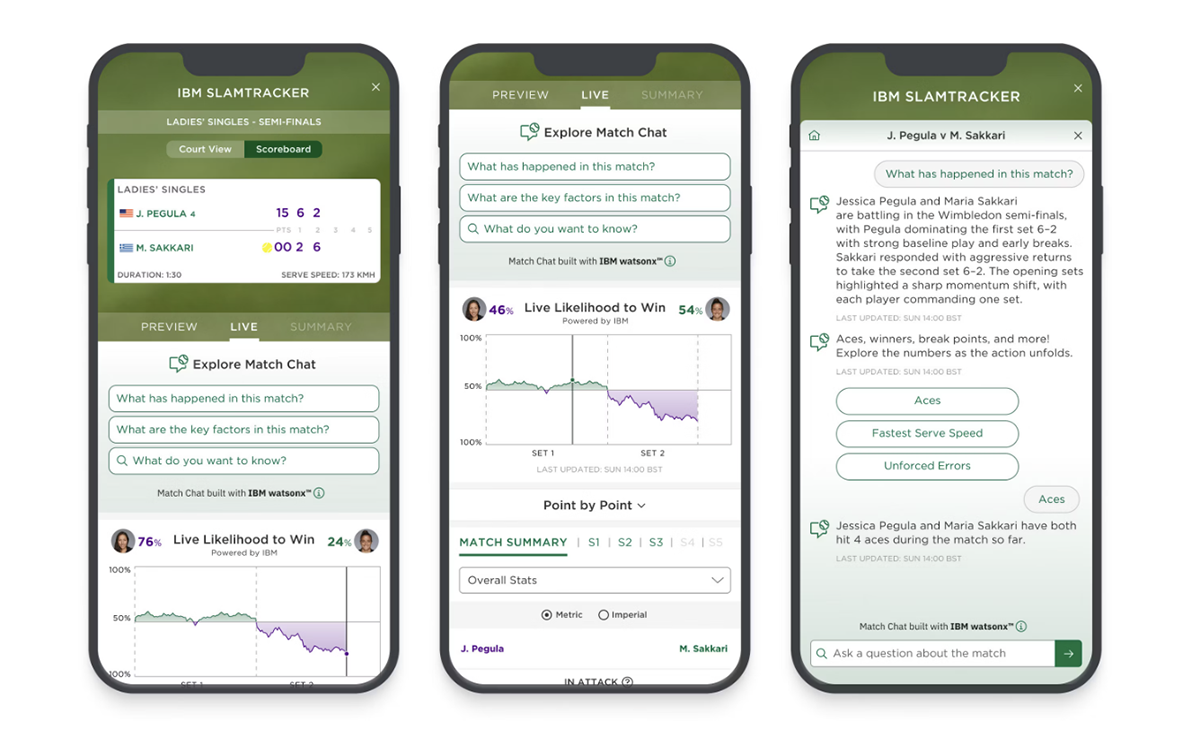
Source: IBM
As LeBron James enters his record-breaking 23rd NBA season, Nike crowned him the "Forever King" with a product launch and storytelling campaign that celebrates his career while also positioning the Nike brand for the future.
The campaign launched with the LeBron XXIII sneaker featuring 23 unique colorways, each telling a specific story from his career. Every pair ships in crown-molded boxes from three distinct eras:
All come with collectible charms and booklets detailing all 23 stories.
Notable colorways include "Uncharted" (commemorating his 40,000-point milestone), "Miami Twice" (celebrating back-to-back NBA championships) and "The Chosen One and the One Who Chose" (honoring LeBron and Bronny becoming the NBA's first father-son duo to play for the same team).
The campaign included a 32-second commercial featuring LeBron wearing a gold crown as a narrator recounts his journey: "They called him the Chosen One... Every rival was defeated. Every idol was destroyed. He took the crown and kept it. Behold the greatness, he is the Forever King."
Adidas launched the 2025 chapter of its "You Got This" campaign to address a critical problem. Their global research had revealed that four in five grassroots athletes regularly experience negative sideline commentary, leading them to quit sports entirely.
They launched a video featuring Aitana Bonmatí, Anthony Edwards, Aliyah Boston, Lamine Yamal, and Trinity Rodman, alongside everyday athletes, that shows how positive sideline support helps overcome self-doubt and pressure.
The story depicts athletes encountering moments of exhaustion and self-doubt, only to be lifted up by teammates, family members and coaches.
Adidas backed the campaign with activations, sending top athletes to grassroots sporting events to demonstrate positive encouragement in action.
ESPN launched its "Sports Forever" campaign in June 2025 to prepare audiences for its biggest transformation in decades: a direct-to-consumer streaming service launching in Fall 2025.
The campaign debuted during the first game of the NBA Finals, opening with footage from ESPN's first-ever broadcast on September 7, 1979, when anchor Lee Leonard declared viewers had reached "sports heaven."
The spot journeys through four decades of iconic ESPN moments, featuring championship coverage and legendary game moments. It ends with a fan receiving an ESPN app alert accompanied by the famous "DADADA, DADADA" jingle and onscreen text that says, "Fall 2025: The Next Era Begins."
"'Sports Forever' emphasizes that being a fan is not just a momentary engagement but a lifelong journey," explained Jo Fox, ESPN's SVP of Marketing. The campaign positions ESPN's 46-year heritage as the foundation for its streaming future.
Like all marketing types, sports marketing relies on a range of marketing materials to plan, strategize, activate, communicate, and promote.
A lot of these materials are easily accessible within Visme. And for those instances, I share templates you can use straight away.
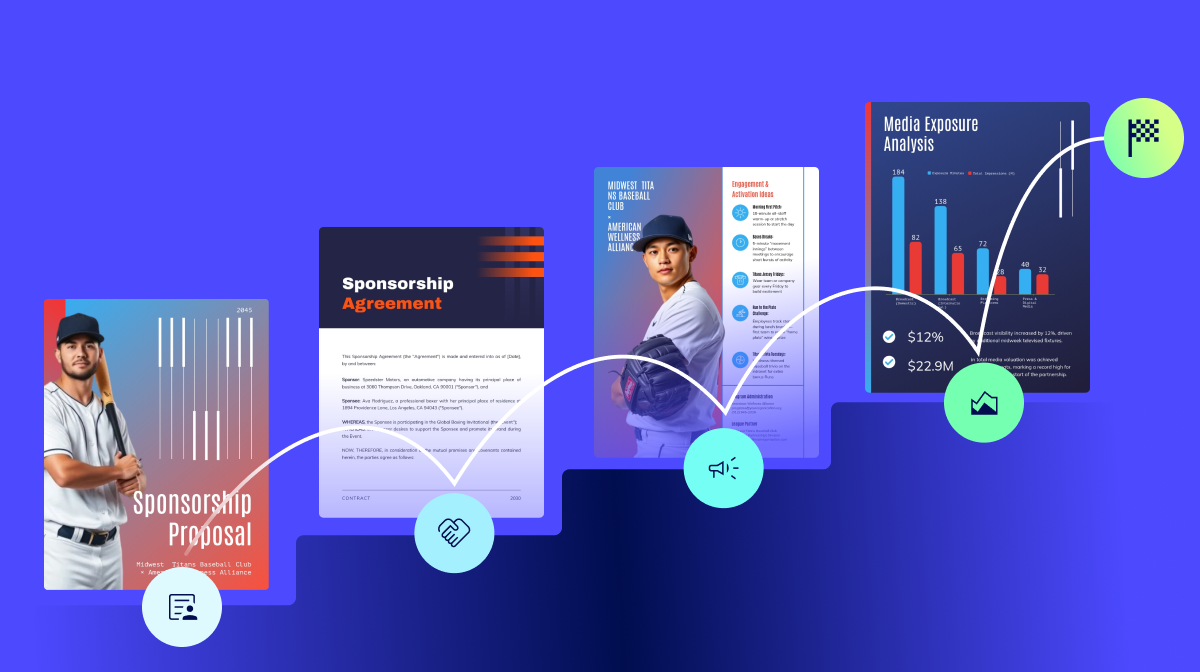
Sports sponsorship marketing, which also includes partnerships and endorsements, requires several materials throughout the cycle.
Let’s look at how Visme can help along the way.
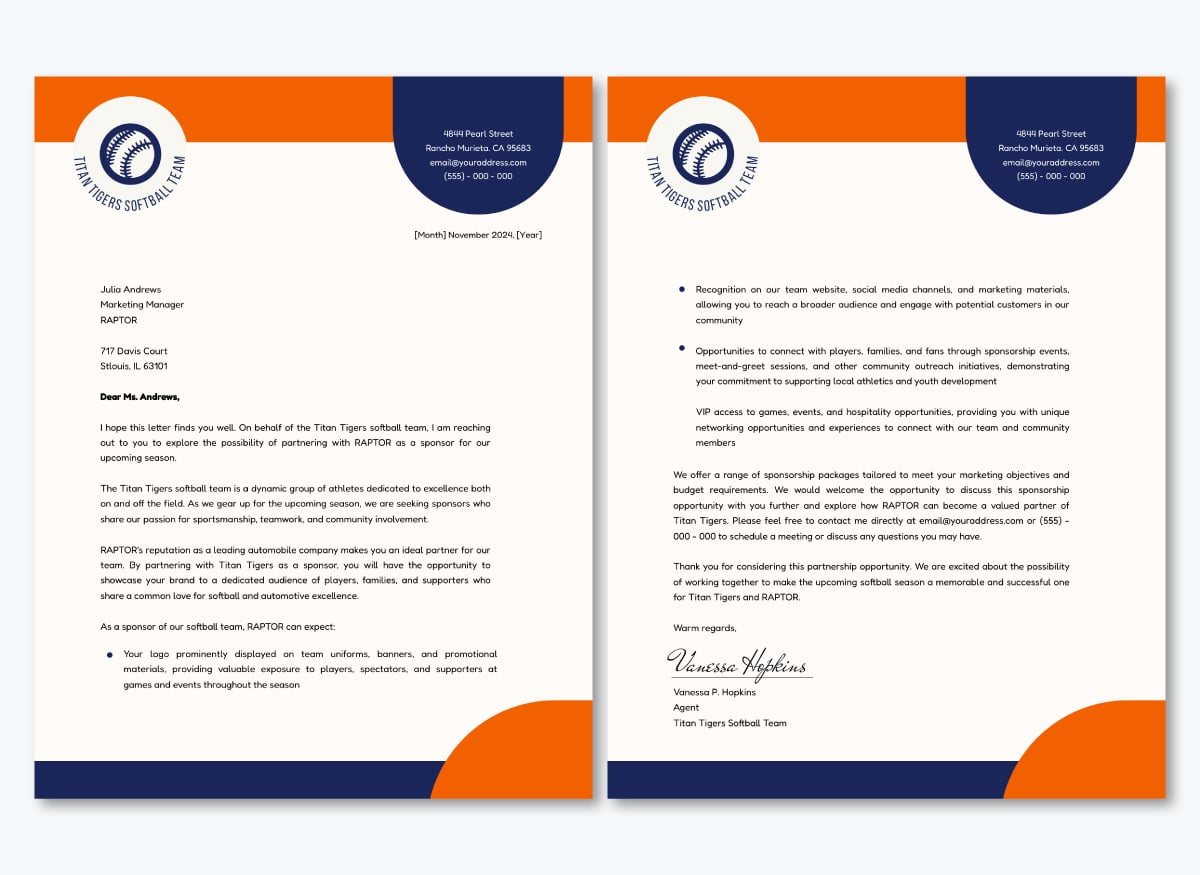
The first step in the journey begins with a proposal request or outreach email/letter to gauge interest. This sets the stage before sending any detailed materials.
The template below is an outreach letter introducing the possibility of a partnership between a softball team and a local organization.
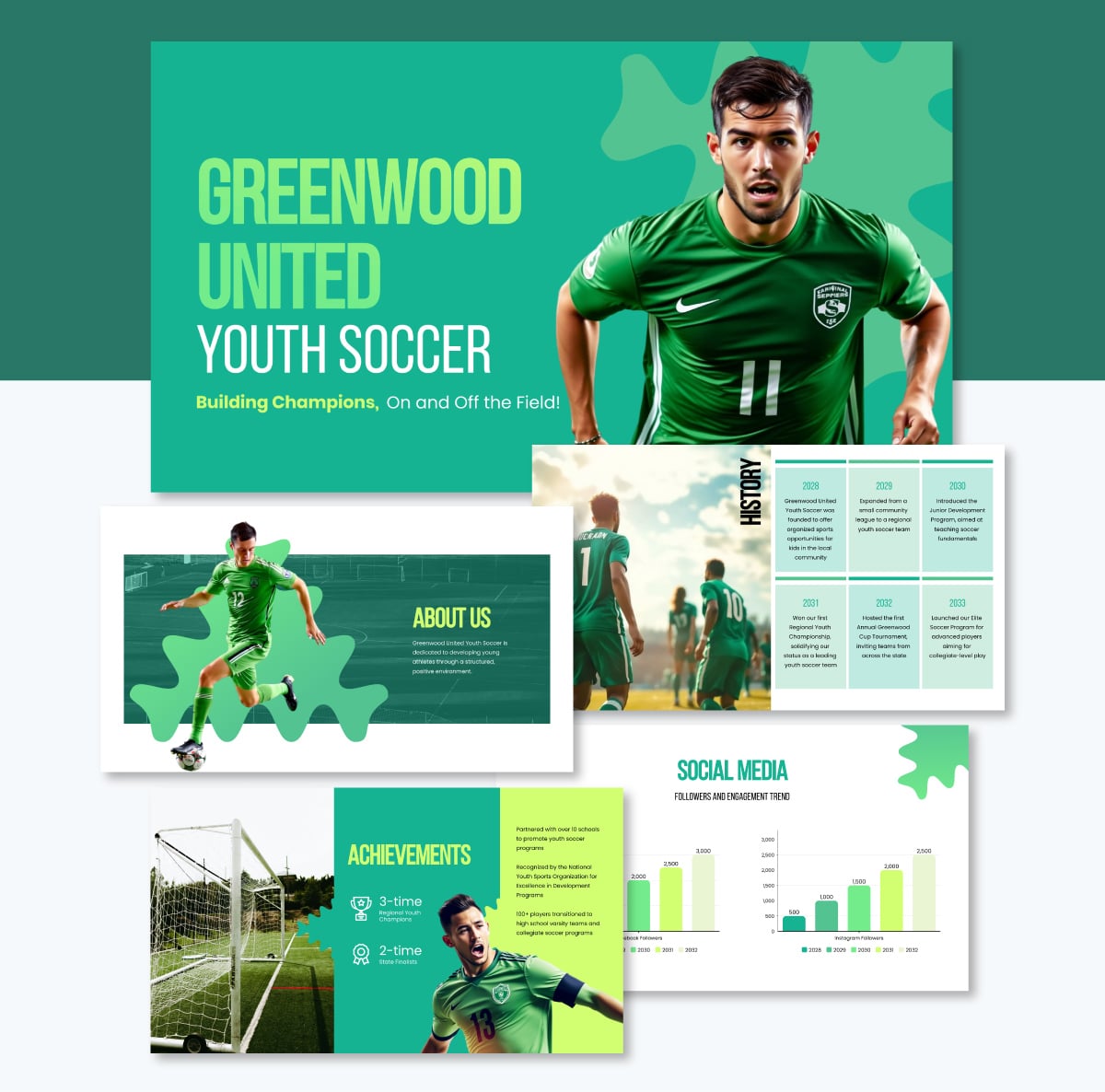
Once you’ve piqued a potential sponsor's interest, you schedule a meeting or call with them. During this meeting, you will present the sponsorship deck, which provides an overview of your event/team, target audience and sponsorship opportunities.
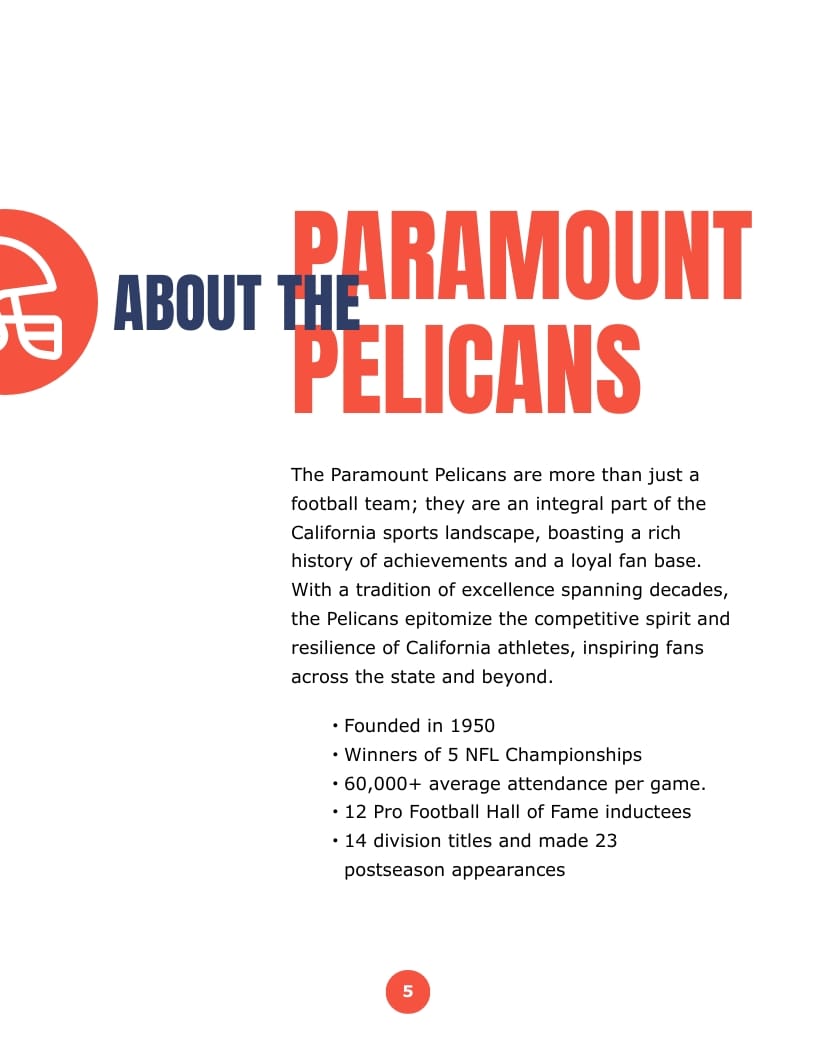
Here’s a sponsorship presentation deck you can customize for your own team or league.
After the meeting, you send a detailed proposal with personalized activation ideas, packages, mockups, timelines, and videos. This allows the sponsor to review your ideas in depth.
The template below is a sponsorship proposal from our collection. There’s a lot more for you to discover on our proposal templates page.
Recommended for you:12 Impressive Sponsorship Proposal Templates + A Writing Guide
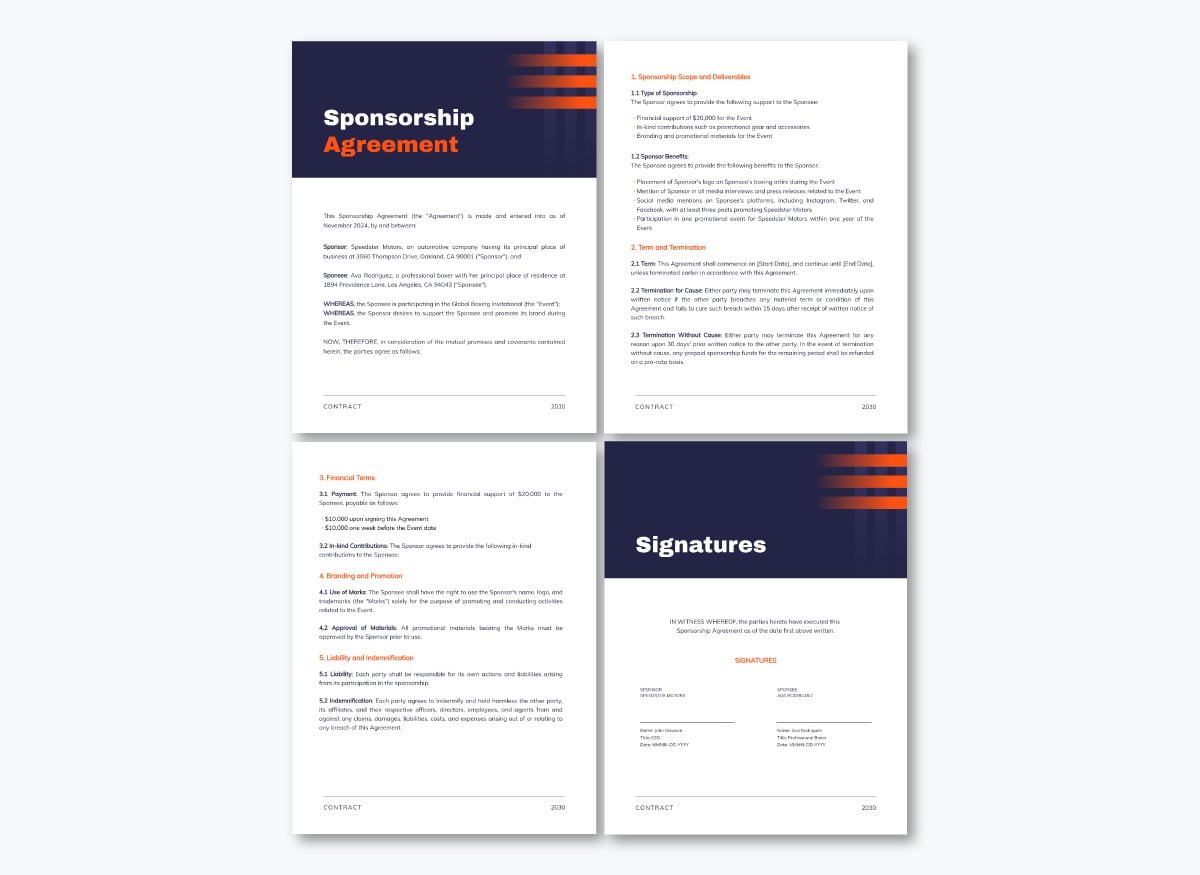
Once the sponsor indicates interest, you draft and sign a sponsorship agreement or contract. Make sure to infuse this document with your brand assets. It’ll help the sponsors keep you in mind at every communication touchpoint.
Use this pre-filled template to create your own contract. Stick to the text placeholder layout to keep the design intact.
Finally, your team implements the sponsorship activities and provides regular reports showing ROI, engagement and impact analysis.
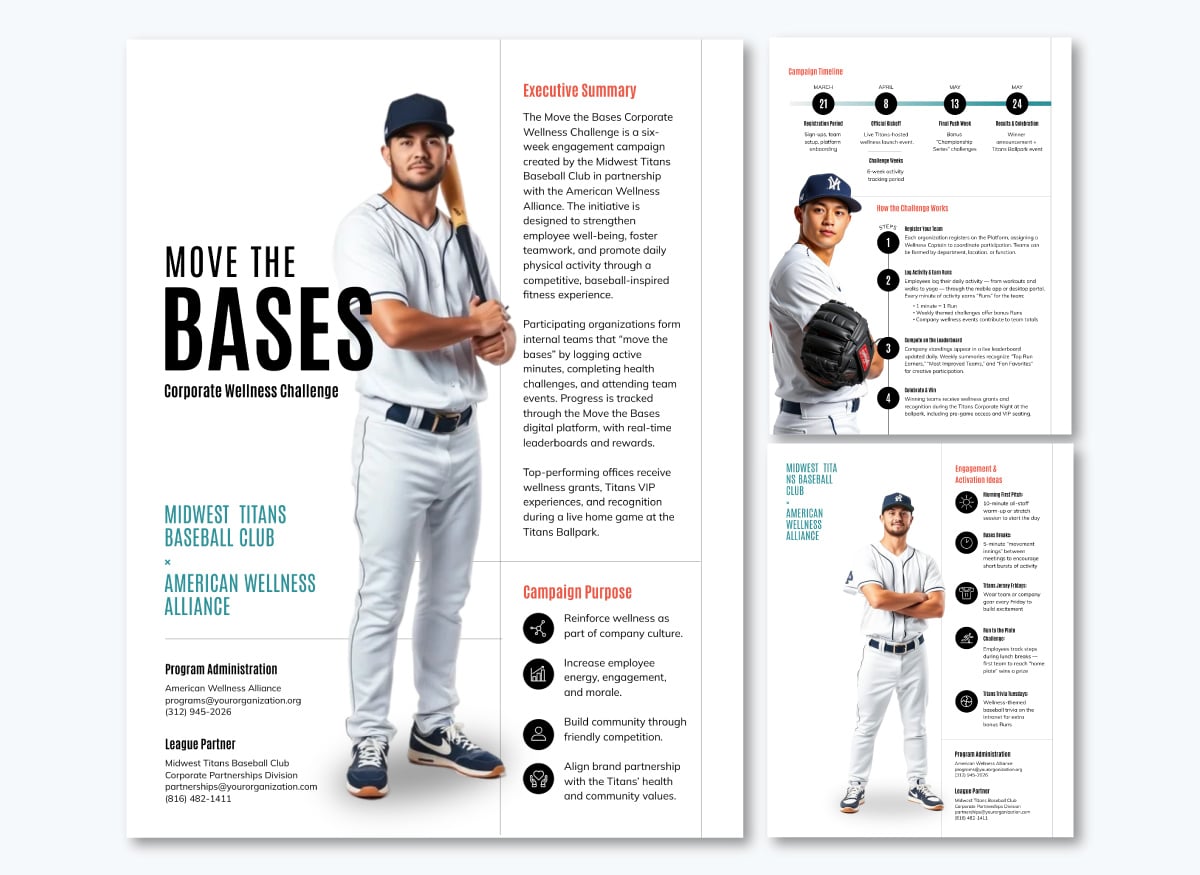
Since activations are so varied, so are the assets your team needs. For starters, before you even activate anything, build a visual plan to show stakeholders what you’ll be doing.
Here’s one of our templates that’s already set up as an activation plan for a baseball team. It has clear timelines and descriptions that your sponsor will appreciate.
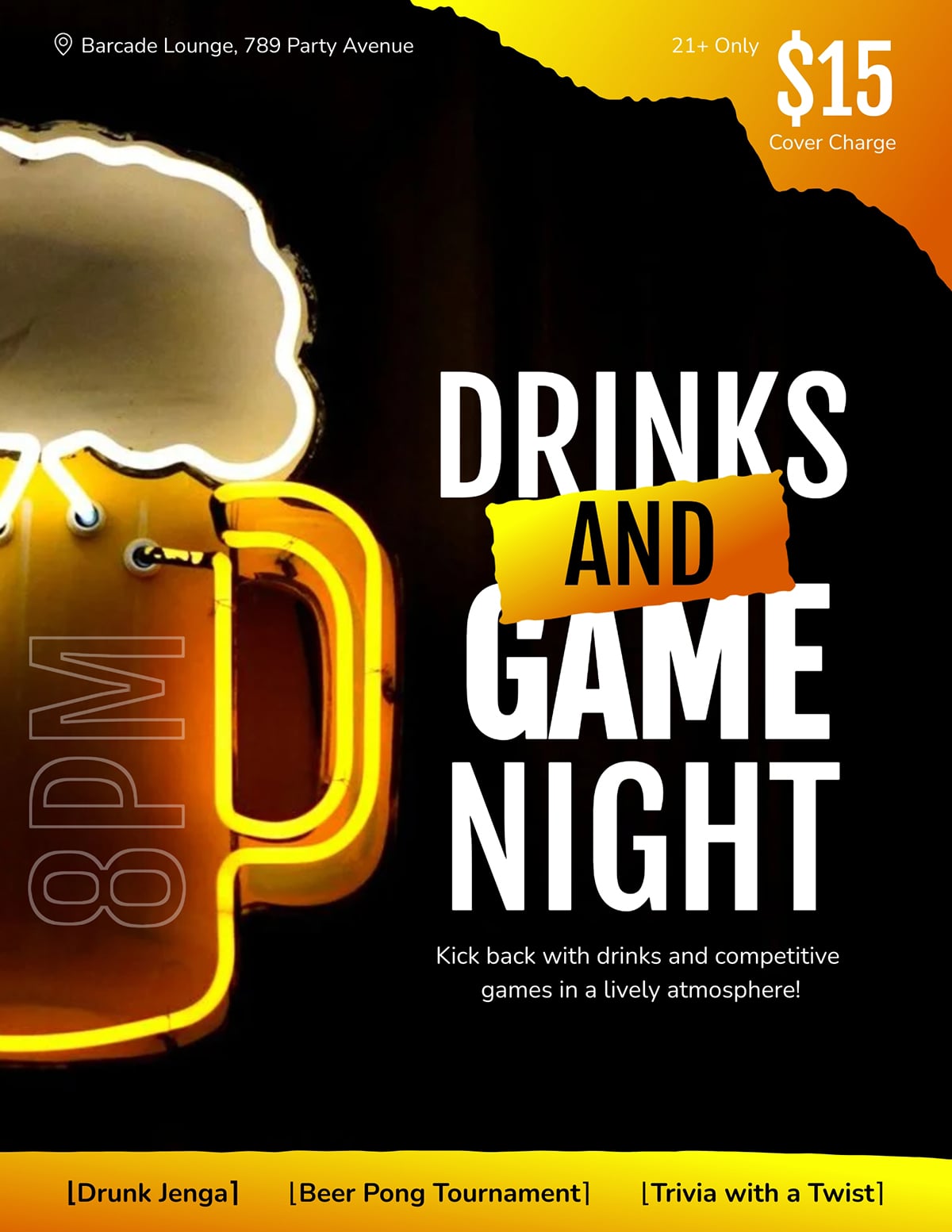
Regarding the content for the activation itself, it’ll depend on what the activation is exactly. If it's an event during which a player will teach kids how to pitch a ball, for example, create social media content, digital flyers, commemorative t-shirts and stickers, banners and other decorative materials that you’ll have to design or source from providers.
Here’s a flyer template for a sports event you can customize in minutes for your activation promotion.
Out-of-home advertisements, like highway or bus stop billboards, are another type of sports marketing content you can consider for your brand.
According to Helen Miall, Chief Marketing Officer at VIOOH,
“Out-of-home (OOH) advertising is great for reaching sports audiences with strategically placed ads near stadiums and sports bars, where fans naturally congregate. Programmatic digital out-of-home (prDOOH) technology enhances this engagement by delivering real-time, dynamic content such as live scores or weather updates, making ads more relevant and impactful, allowing brands to tailor messages based on location and events.”
When pitching an OOH ad to your stakeholders, include design mockups in both the proposal and the plan.
This template is a good example of what an OOH mockup looks like. You can use it on its own or inside a project. Changing the visual inside the mockup is as easy as dragging it in from the media gallery.
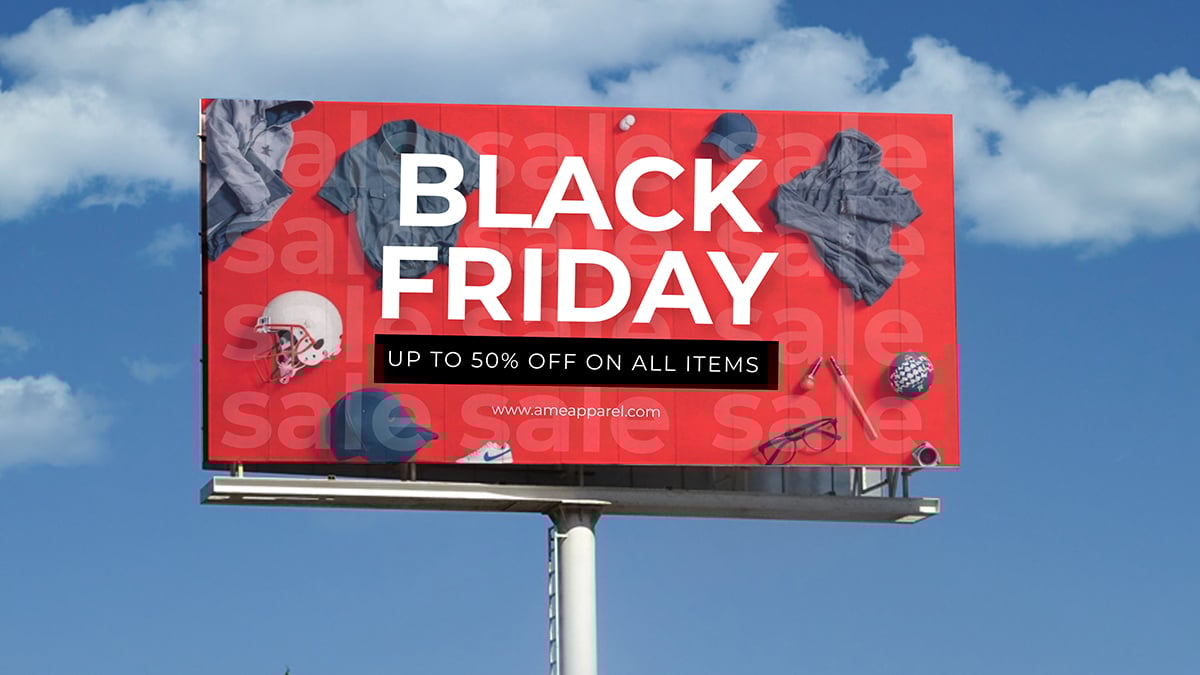
Your billboard design needs to be high resolution and quite large so that it looks right when printed and mounted. Contact the local billboard company where you plan to place your ad and they will have all the information you need to design an ad that looks great at that size.
At the heart of fan engagement is ongoing loyalty and emotional connection. There are several types of content that can help with this.
Inside stadiums, for example, set up touchscreen stations for fans to learn more about the teams playing and the players on the field that day. These can be interactive presentations with pop-ups, animations and other forms of interactivity.
For example, this is an interactive dashboard displaying a team’s data for the current season.

Other types of fan engagement include apparel with brand designs printed on it; you’ll need to create those designs. The hoodie, for example, is one of the most loved pieces of sports merchandising. Diehard fans collect them, wear them to games and even get them signed by their favorite players.
Create all sorts of designs for your hoodies, for activations or for sale as merchandise during match days.

Aside from stakeholder- and fan-facing content, you’ll also need internal communication materials. This content is important because without it, your team will be disconnected and misaligned. Emails and text memos are fine, but visual, branded content has a greater impact on people.
Alejandro Varela Moreno, a sports communicator, shares,
“Internal communication is not just about sharing information; it also builds culture. When staff feel part of the project, they work with more motivation and commitment.”
To achieve a positive culture through communication in your team, you have several options. Start with communication plans, org charts, brand guidelines and crisis management plans.
Then, share internal reports and newsletters to share positive news and results.
Visme offers lots of features to help with this type of content creation. Create a dedicated workspace for internal communication content, set up the brand kit, invite a few collaborators, and save a set of branded templates with clear instructions for editing them.
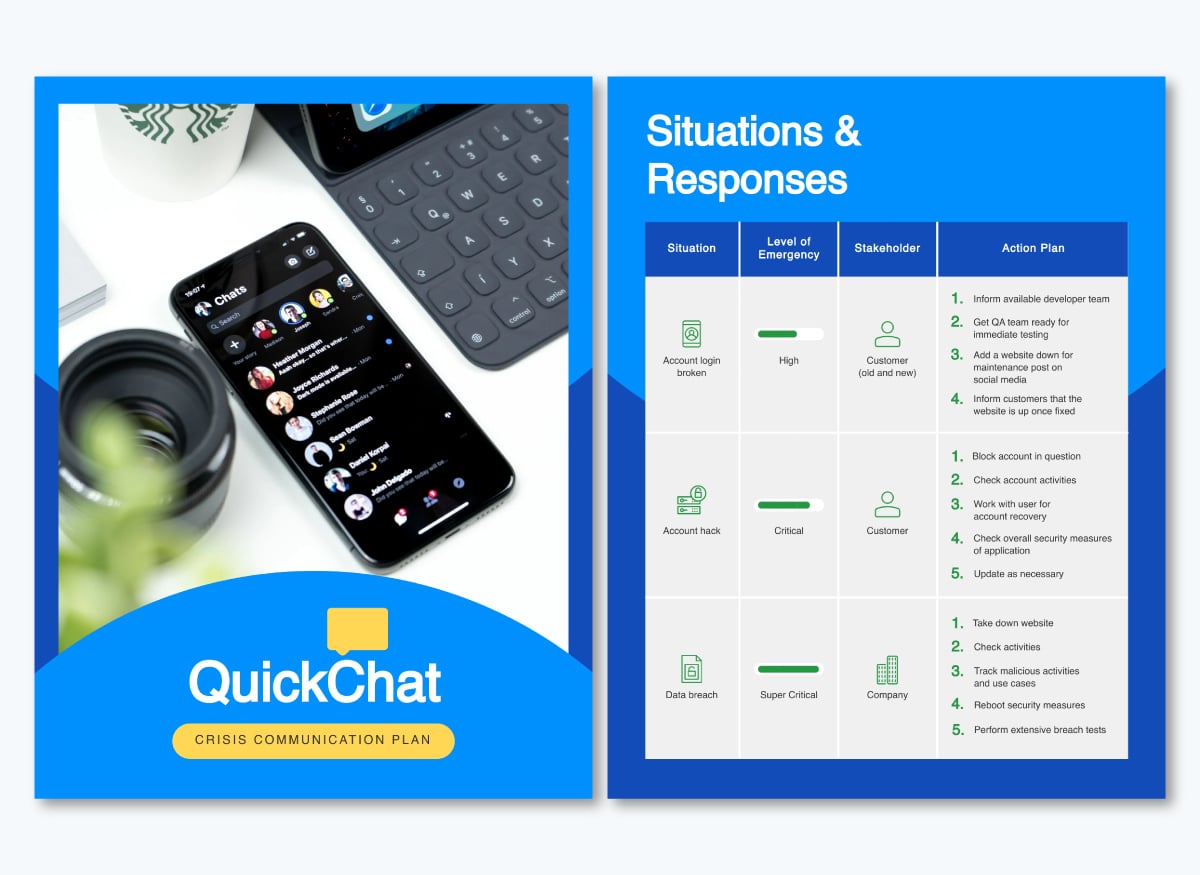
This template is a crisis communication plan to ensure your team is clear on what to do in the event of an emergency.
Marketing efforts are null without an impact analysis or ROI report. Your sponsors will ask for this information, so you have to be ready to provide it. This also requires content creation in the form of reports.
How you put together an ROI analysis, partnership recap or impact report will depend on your sports brand's communication style. Typically, these reports are presentation decks or digital documents. They’re even better when you add storytelling with photos and videos of the activations.
Visme has lots of options, from presentations to documents and plenty of data visualization features to help you share metrics. You can also create a dashboard that automatically updates data, thanks to our integration with Google Docs.
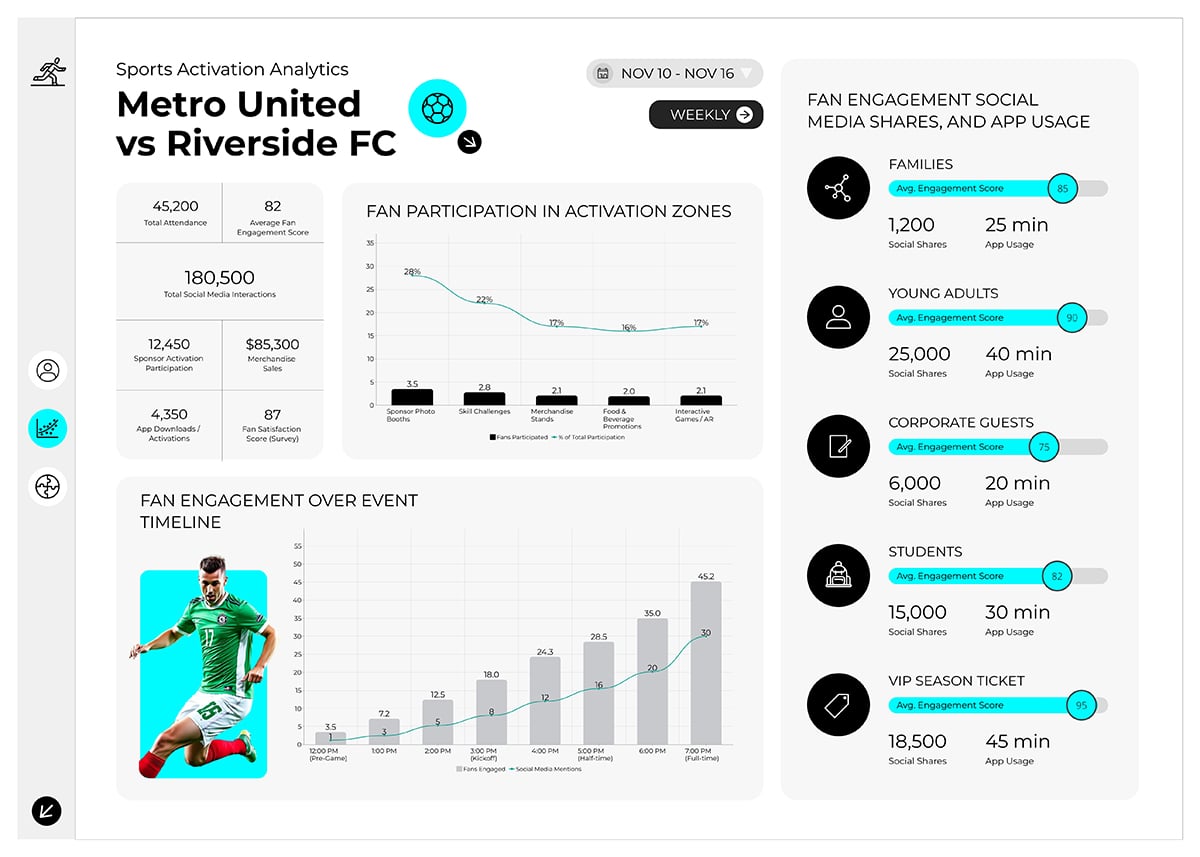
This template below is an activation analytics dashboard, for example.
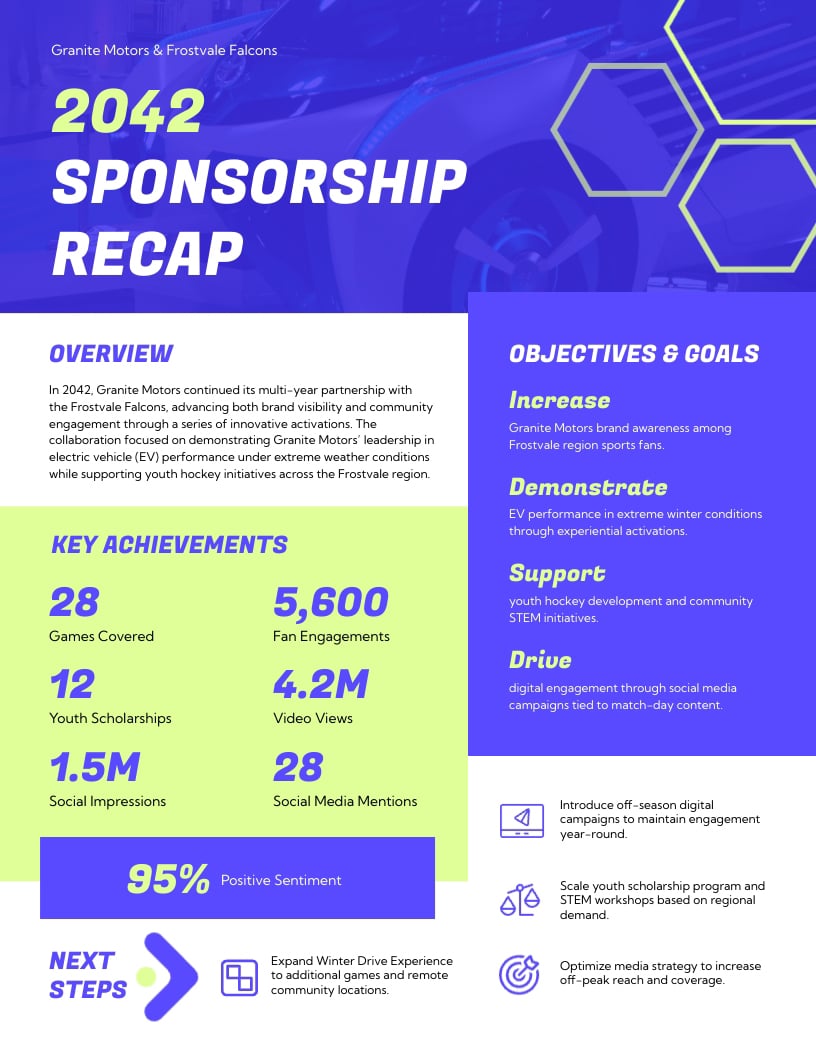
And this is a super practical one-pager recap that highlights all the critical information your sponsors need
As a sports marketer, you need a tech stack to support your efforts. Finding the ideal combination of tools takes time and some trial and error. I’ll save you some time and share the best tools for your sports marketing stack.
The table below lists all the tools. I also include alternatives for each one in case you want to try them as well.
| Tool | Purpose | Price | Use Cases | Tools Like It | G2 |
|---|---|---|---|---|---|
| Visme | Content creation & visual management | Free; Paid from $12.25/mo | Sponsorship proposals, partnership decks, season planning, data visualization, social media graphics, game-day marketing, analytics reporting | Canva, Venngage | 4.5/5 (400+) |
| HubSpot | CRM, marketing, sales & automation | From $15/mo | Fan CRM, ticket sales tracking, campaign automation, sponsorship pipeline management, service workflows | Zendesk, Zoho, Salesforce | 4.4/5 (30k+) |
| Monday.com | Project & workflow management | Free; Paid from $9/mo | Season campaigns, sponsorship tracking, content workflows, event planning, budget tracking | ClickUp, Asana, Jira | 4.7/5 (17k+) |
| Slack | Internal communication hub | Free; Paid from $7.25/mo | Game-day coordination, team chat, crisis response, partner collaboration, file sharing | Microsoft Teams, Discord, Zoom | 4.7/5 (37k+) |
| Fan community & engagement | Free; Premium from $5.99/mo | Official subreddits, AMAs, fan feedback, community building, content testing | Discord, Quora, Mastodon | 4.2/5 (50+) | |
| SponsorUnited | Sponsorship intelligence & management | Custom pricing | Prospecting, benchmarking, renewals, activation tracking, category strategy | SponsorCX | N/A |
| Wix Studio | Web design & digital experience platform | From $17/mo | Team website, ticket hub, merch store, partner pages, fan engagement portals | Squarespace, WordPress | 4.7/5 (400+) |
G2 Rating: 4.5/5 (400+ Reviews)
Good for medium, large and enterprise-level sports entities.
As I mentioned before, one of the critical puzzle pieces in sports marketing is content creation. It’s necessary for social media, content marketing, event marketing and much more.
Visme, a comprehensive content authoring platform, is just the tool your team needs to not only create visual content but also manage it while keeping it all branded and aligned with your sport brand’s identity.
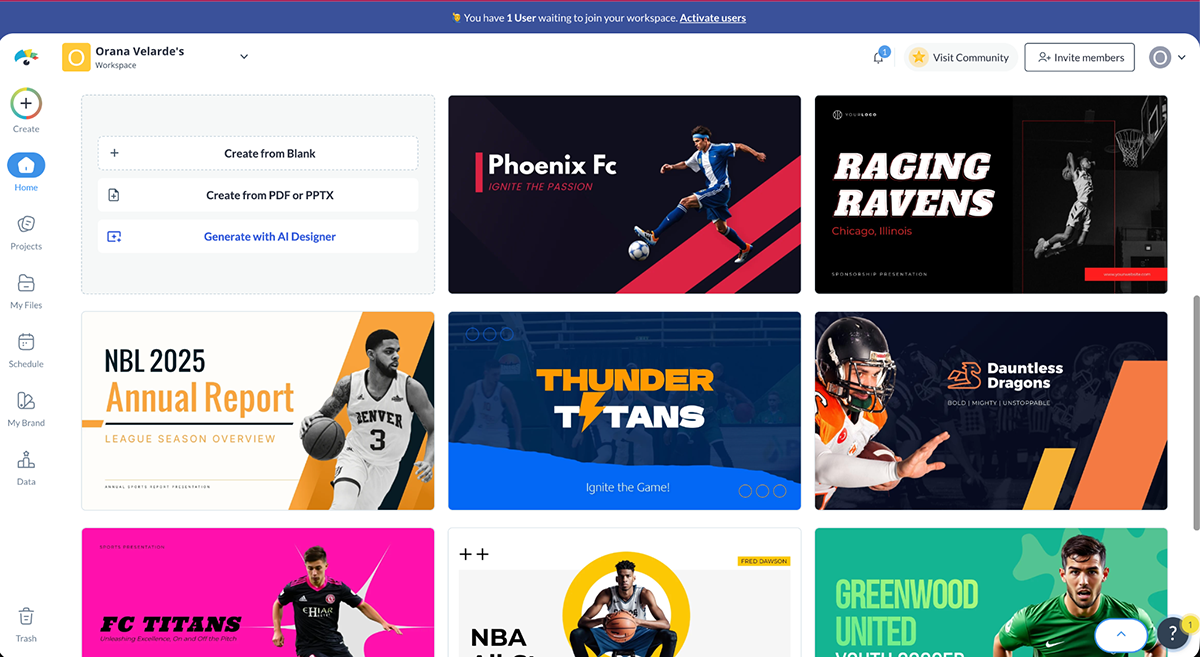
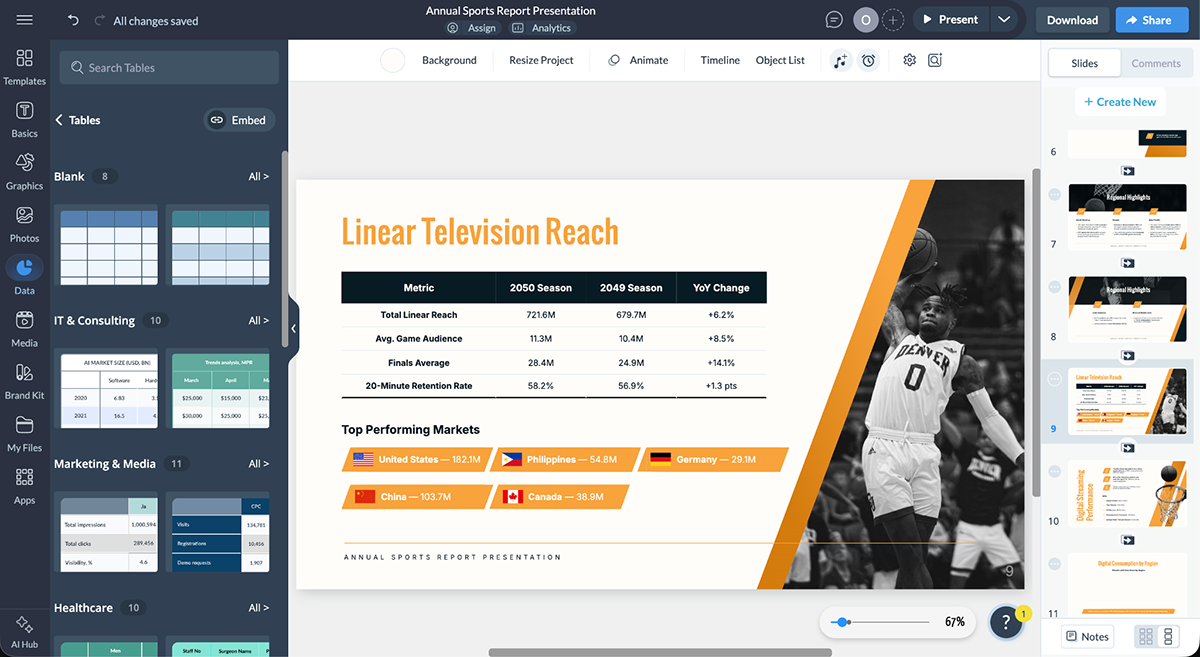
Here’s an inside look at one of our sports presentation templates inside the editor, with a table ready to be customized.
G2 Rating: 4.4/5 (30k+ Reviews)
Good for sports brands of all sizes.
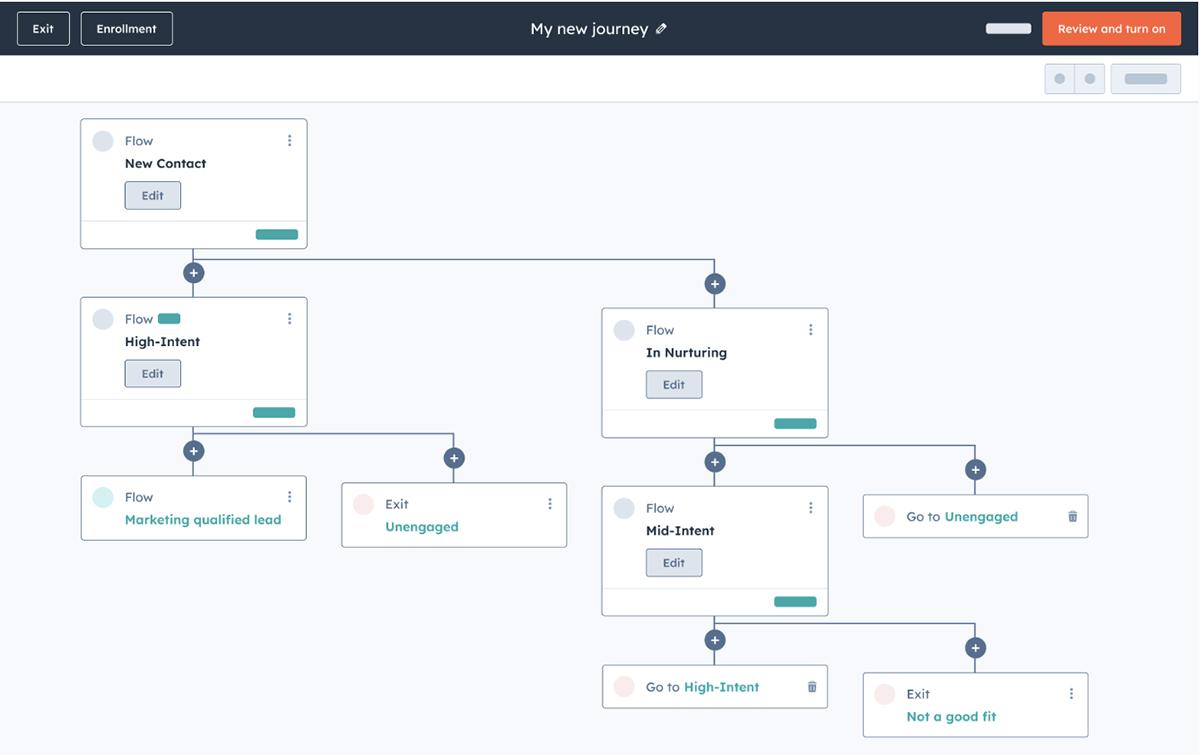
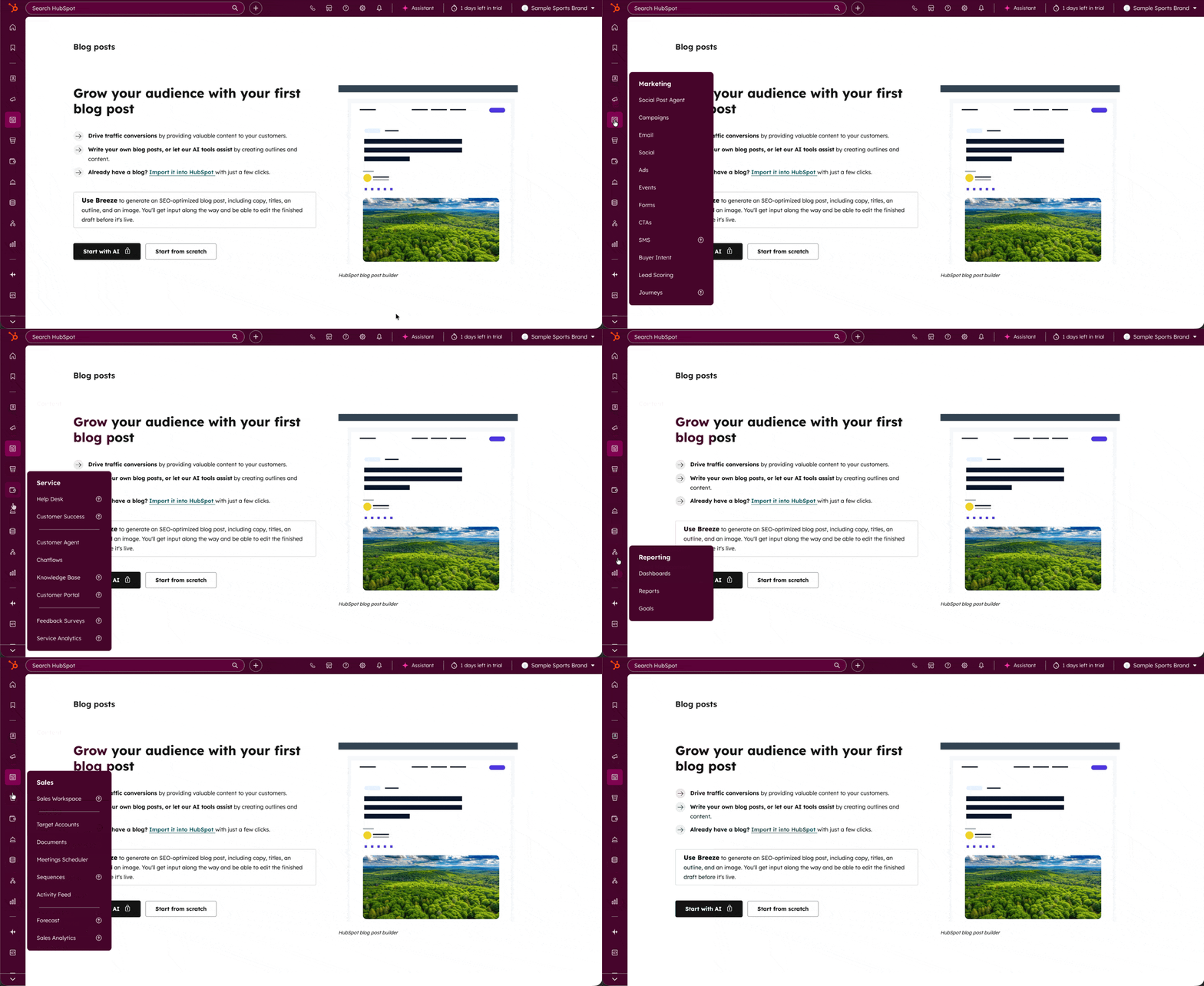
HubSpot Smart CRM is an AI-powered platform that offers a comprehensive workspace with several dedicated hubs for marketing, sales, service, content, data and commerce. It's known for its easy-to-use interface and excellent collaboration features.
When using HubSpot Smart CRM for sports marketing, you can use any of the hubs at any time. All these hubs are interconnected, meaning that you can use your collected CRM data plus the AI-powered features to do countless things to support your sports marketing efforts.
G2 Rating: 4.7/5 (17K+ Reviews)
Good for medium to large teams with many collaborators.
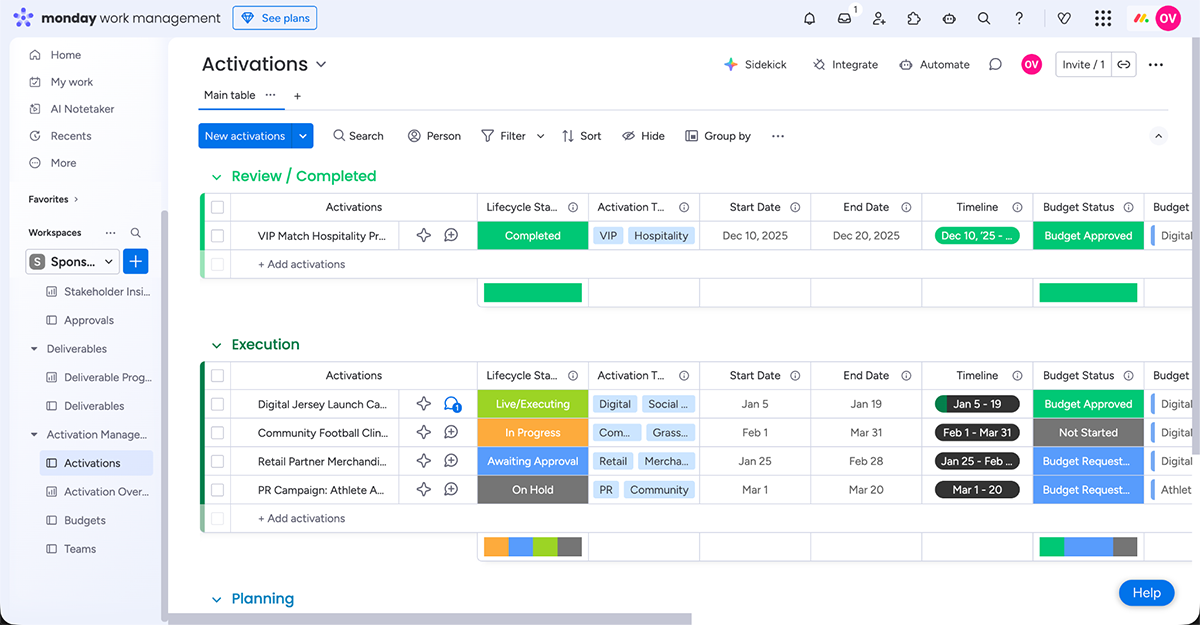
Your sports marketing team needs a project management tool for effective organization and workflow management. Monday.com is a great tool for that. It provides a visual work operating system that helps teams manage projects, workflows and everyday work.
Best of all? You can connect your Monday.com environment to both HubSpot and Visme, keeping much of your work in one place so you don’t waste time looking for marketing and creative assets.
G2 Rating: 4.5/5 (37K+ Reviews)
Good for sports teams of all sizes needing real-time communication and collaboration.
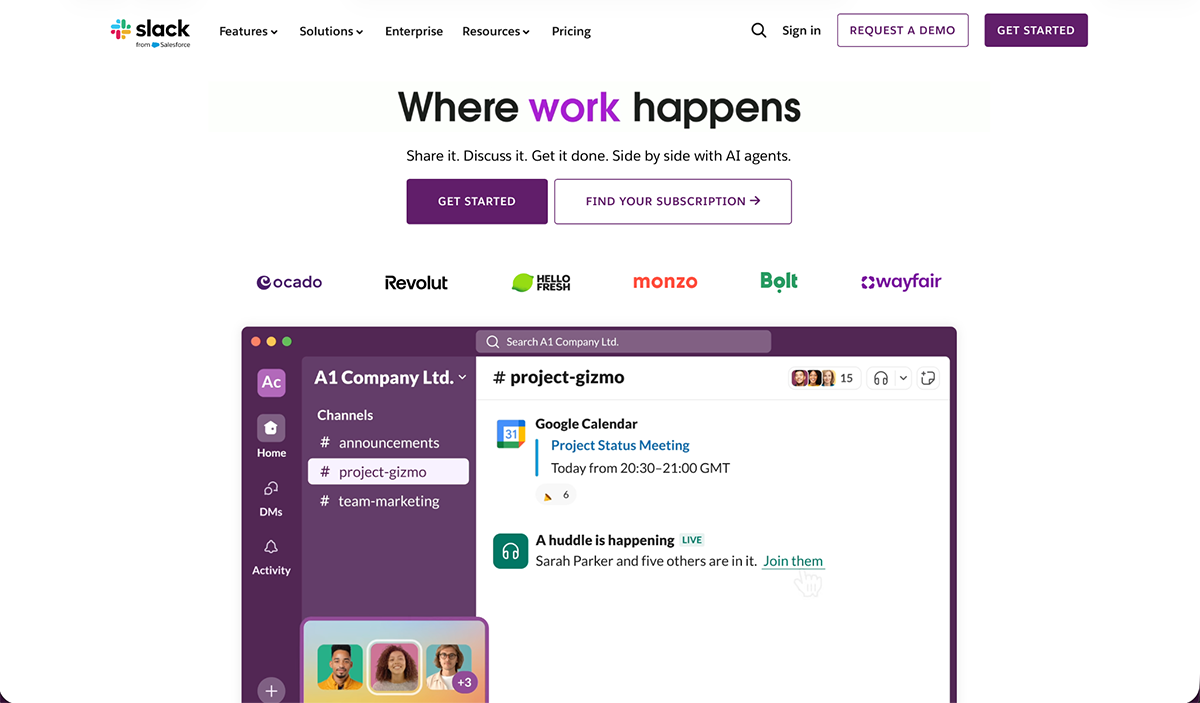
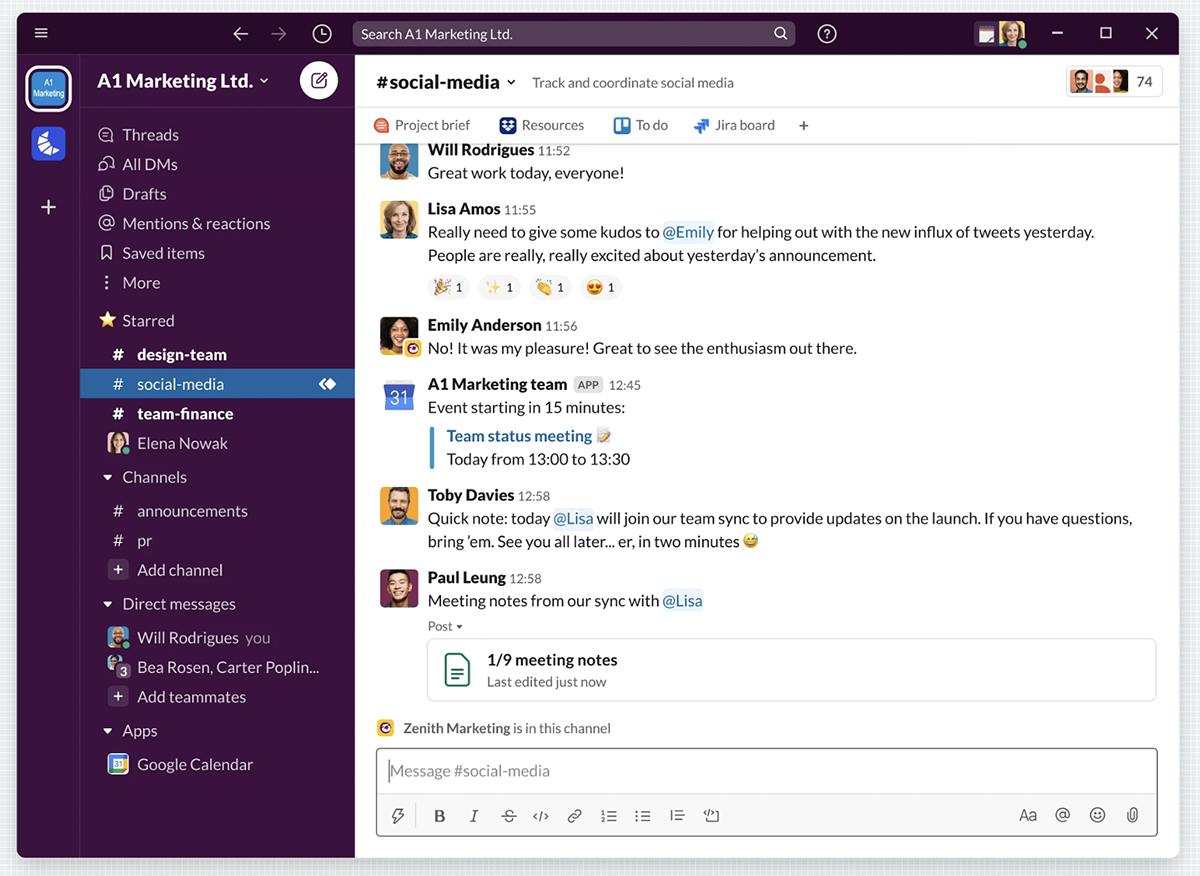
Seamless internal communication is critical for sports organizations managing multiple departments, remote staff and time-sensitive operations. Slack is a great option because it works seamlessly across all your devices and lets you keep conversations organized.
It offers a centralized communication hub where you can build custom channels and send private DMs.
G2 Rating: 4.2/5 (50+ Reviews)
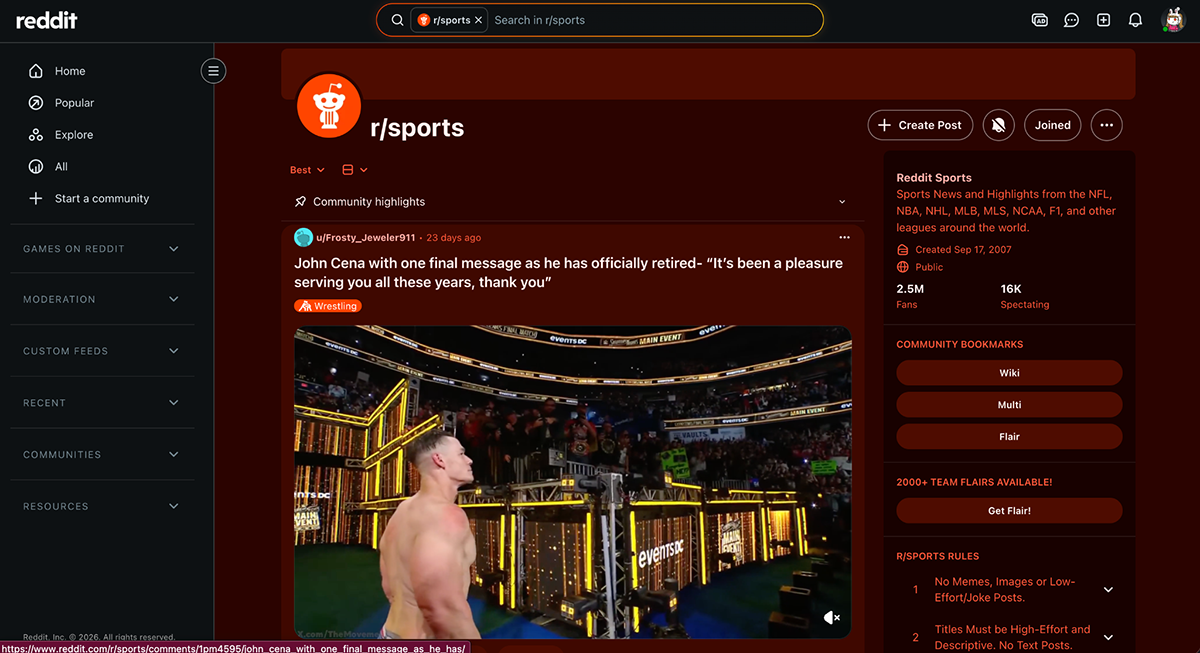
Good for sports brands looking to build authentic, engaged fan communities and tap into real conversations.Sports communities exist both online and offline. They hang out on social media, follow your channels and share your content, but where are they having conversations about it all? On Reddit.
Reddit is a unique platform where your sports organization can build a community, engage with passionate fans and gather unfiltered feedback. Unlike Instagram or TikTok, Reddit's community-driven structure will help you have authentic conversations with your most dedicated supporters and fans.
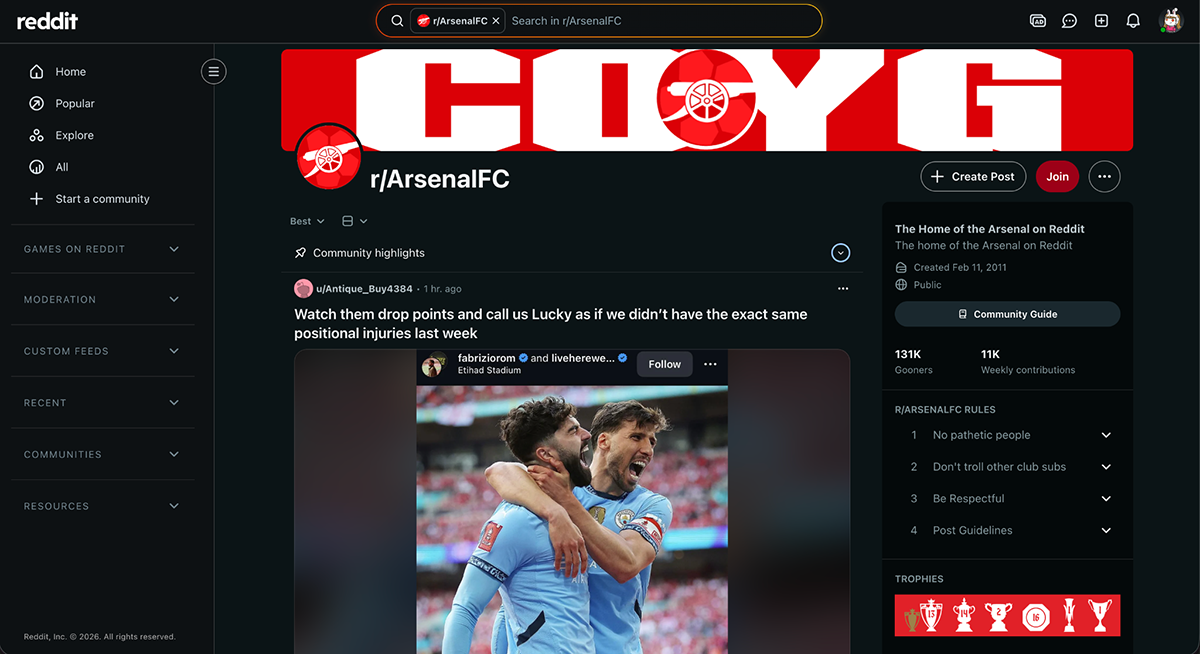
The Reddit platform is organized into subreddits, dedicated groups focused on specific topics, teams or interests. r/sports, for example, is a huge subreddit where people talk about sports in general. There are also brand subreddits, like r/ArsenalFC, run by Arsenal FC itself.
As a sports brand, you can monitor subreddit discussions to understand fan sentiment on team performance, roster moves, ticket prices, stadium experience, marketing initiatives and more.
G2 Rating: N/A
Good for sports organizations managing complex sponsorship portfolios and seeking data-driven partnership insights.
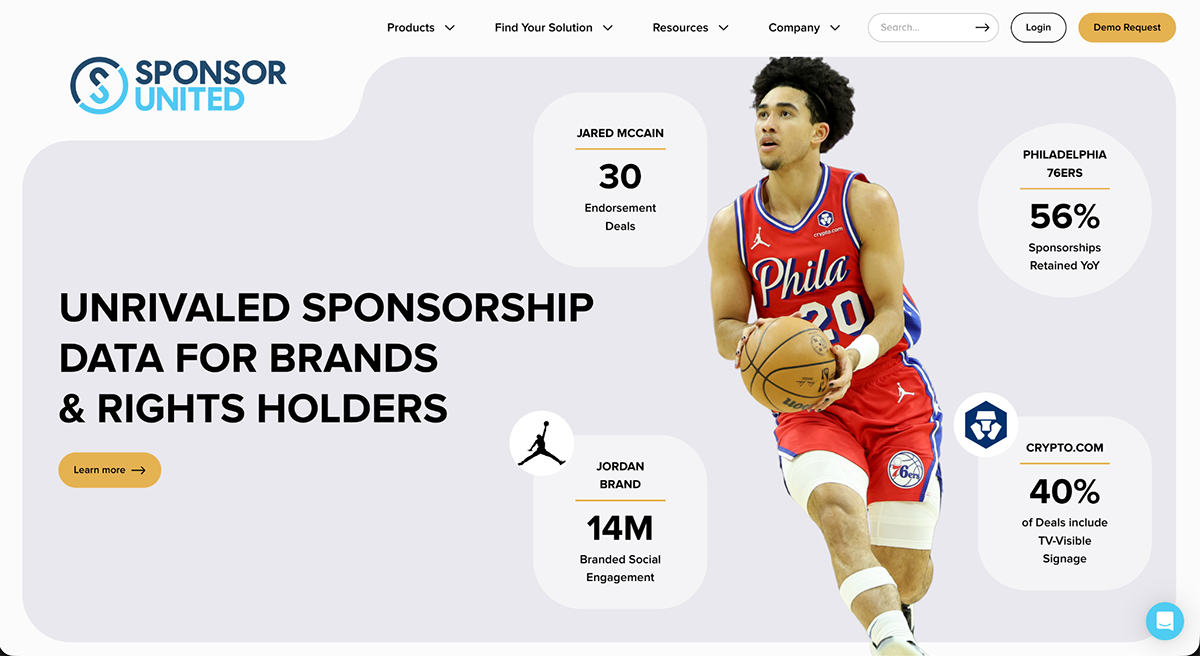
SponsorUnited provides sponsorship intelligence and management tools that help sports brands maximize partnership value. The platform combines market data, partnership tracking and strategic insights to inform sponsorship decisions.
Sports marketers use SponsorUnited to first identify which brands are actively investing in sports partnerships. Then, they use the data to benchmark sponsorship rates against competitors and also to discover new opportunities. This intelligence helps sponsorship professionals price packages competitively and approach prospects with proposals that demonstrate data-backed ROI forecasting.
G2 Rating: 4.7/5 (400+ Reviews)
Good for sports organizations needing professional websites with advanced design control
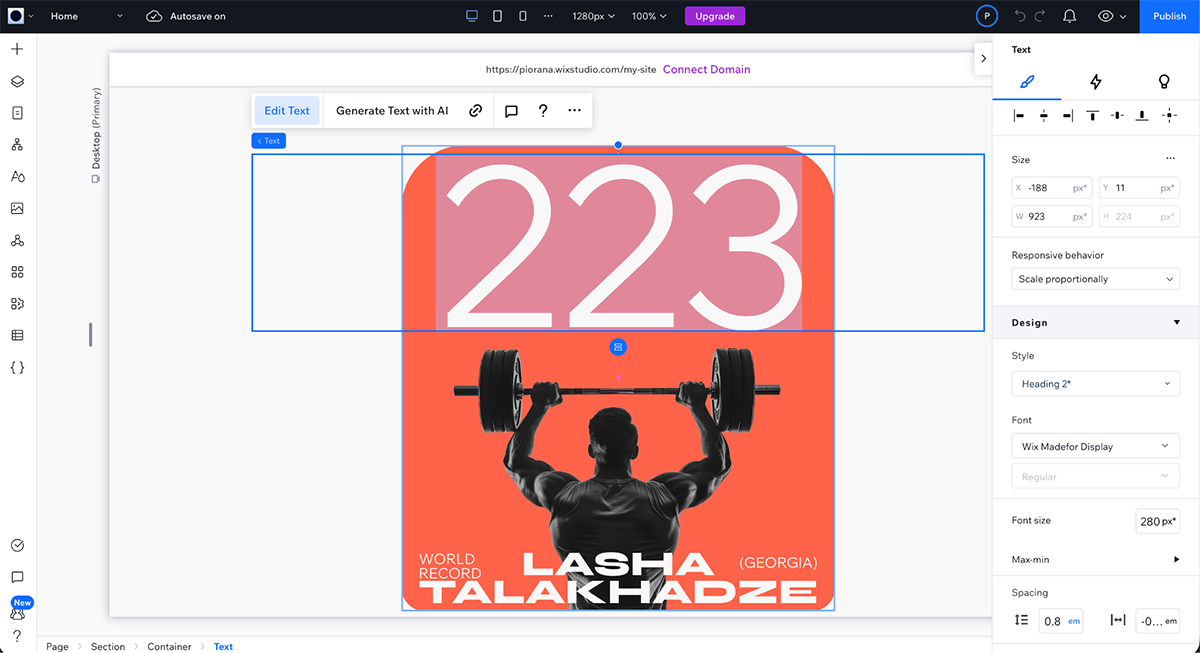
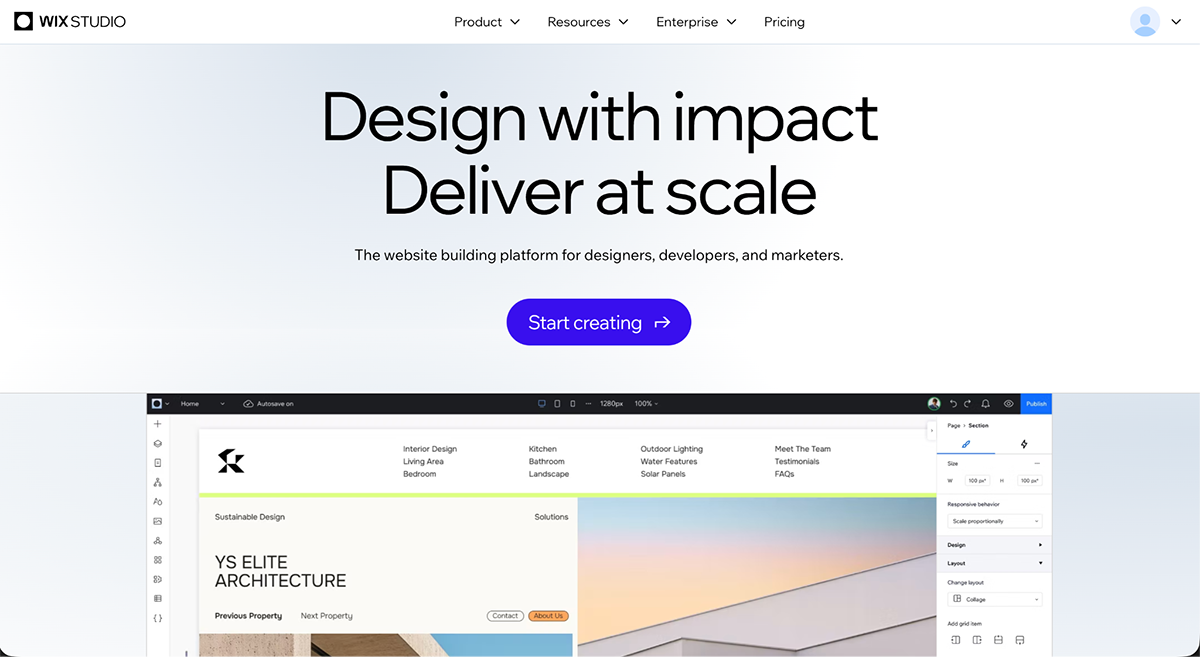
Your sports brand's website serves as the central hub for ticket sales, fan engagement, news, merchandise and partnership information. You need a powerful but flexible website builder and a webmaster platform. Wix Studio is perfect for building your sport’s brand digital presence without needing extensive technical expertise.
Just as AI is changing everything around us, it’s also doing so in sports marketing and there’s data to prove it. The sports AI market was valued at $2.2bn in 2022 and is projected to reach $30bn by 2032. Plus, an IBM and Morning Consult survey revealed that 86% of tennis fans worldwide see value in AI-powered features. And that’s just in Tennis.
Emily Ketchen, CMO of Intelligent Devices Group at Lenovo, shares how AI is impacting different aspects of sports marketing: “The fusion of sports and technology is reshaping not just what fans experience, but how teams think, react and compete—allowing fans to become interactive participants and turning stadiums into smarter ecosystems.”
She mentions smarter stadiums and that’s one of the aspects we’ll discuss, but there’s so much more worth paying attention to regarding the use of AI in sports marketing.
Let’s dive in.
AI and LLMs collect and analyze data much faster than humans can. This yields detailed fan information that helps you market with greater personalization at every touchpoint.
Here are some examples:
AI is great for fan-facing plays, but what about everything that happens behind the scenes? Well, AI can be a huge help in that regard as well.
Here are examples worth checking out:
AI transforms stadiums into responsive, intelligent environments. Not surprisingly, the global AI in stadium market reached $1.5 billion in 2025 and is projected to grow to $6 billion by 2033.
Sports marketing is constantly changing, day after day. Yes, a big part of it is the use of artificial intelligence in every aspect of business, but it’s also about the fans and what they want.
I’ve pinpointed a few aspects you’ll see more of in the near future.
The future of sports marketing belongs to brands that create meaningful, tangible experiences fans can feel, touch and remember. Experiential marketing is poised to dominate the industry and it goes far beyond digital technology; it's about creating real human connections between the fans and the players.
Industry experts say that 77% of consumers agree that interacting with a brand at a live event increases their trust, making in-person activations increasingly valuable.
What does this heightened experiential marketing actually look like in practice? Looking ahead, experts anticipate fans will demand even more personalized, memorable experiences like meet-and-greets, VIP behind-the-scenes tours, interactive fan zones with on-site challenges, youth clinics led by professional players and exclusive access to locker room celebrations.
Teams will extend beyond game day with year-round touchpoints through training facilities, practice sessions and off-season events that keep fans connected when the stakes aren't as high.
Earlier, in the AI section, I shared about smart stadiums. These are only going to get better. If a stadium isn’t smart yet, it will be soon. And the ones that already are will be even smarter.
According to Fortune Business Insights, the global smart stadium market size was valued at USD 8.35 billion in 2024 and is projected to grow to USD 27.86 billion by 2032.
What’s behind this growth? The fans, of course.
Fans expect WiFi that works throughout the stadium, seats with charging stations, easy food and drink ordering through dedicated apps, and AR features that enhance what they see on the field.
The data backs it up. About 82% of in-person attendees use mobile apps during games; 44% for real-time commentary, 41% for stats and 35% for enhanced experiences. These numbers will only increase over time.
In the coming years, AI-powered services, IoT (Internet of Things) automations and more tech-based experiences will make stadiums even more enjoyable for fans while also making the spaces more efficient for them and the stadium staff.
Parallel to all the classic sports, there’s also Fantasy Sports, which has grown beyond friend groups and well into the realm of sports marketing. Statistics back this up, because the fantasy sports market was valued at USD 24.85 billion in 2024 and is projected to reach USD 56.38 billion by 2030.
So, as fantasy sports become less niche and way more mainstream, sports brands and sponsors are taking part and becoming more visible.
Experts predict that fantasy sports will keep reshaping how fans consume sports. For starters, professional leagues now view fantasy integration as both a revenue extension and a fan-engagement flywheel. Major media partnerships are increasingly integrating fantasy features directly into live broadcasts and streaming services.
Strategic partnerships are also evolving in this space. PrizePicks expanded its Wave Sports + Entertainment partnership in March 2025 to amplify podcast-led acquisition via 2.8 billion annual impressions, demonstrating how fantasy platforms are leveraging influencer partnerships and new media formats to reach audiences.
The technology powering these platforms also continues to advance rapidly, especially AI-driven personalization, predictive analytics and blockchain integrations.
Professional sports organizations produce high-quality visual content throughout the year, from pre-season planning presentations and sponsorship proposals, to in-season partnership activations and post-season recap reports.
Here's how three professional sports teams use Visme to streamline their workflows and win partnerships.
The Florida Panthers' partnership solutions team uses Visme for partnership sales and activation solutions. Bridget Sullivan, Director of Partnership Solutions, created branded templates to help her team work on content without relying on the design team.
When the Panthers wanted to work with a brand that initially wasn't interested, they crafted a winning proposal using Visme. After reviewing the presentation, the brand's response changed completely.
"They specifically called out that they wanted to continue the conversation due to the quality of our presentation," Sullivan shared. "They could see the level of care, detail and time put into it, which helped showcase the level of craftsmanship and professionalism our organization offers."
The presentation led to closing the deal and the Panthers reduced presentation creation time from over a week to just 1-2 days.
Several Denver Broncos employees use Visme for partnership marketing and corporate sales. They created centralized branded templates accessible to anyone who needed them, helping maintain brand integrity while reducing creation time.
"We utilize Visme a lot. We're using it from the beginning to even after the end of the season," explained Matt Swiren, Manager of Partnership Marketing. "We're creating presentations to show our plans for season planning and just recaps and Visme provides a great way to do it."
The Broncos have created over 500 projects in Visme, using the platform's analytics to track engagement and visualize data internally. "At the Broncos, we recommend Visme to other teams, brands or organizations looking for a one-stop shop to create internal and external collateral," Swiren added.
LAFC uses Visme for partnership relations, sales, analytics and reporting. Jaime Kelm, Director of Business and Data Strategy, discovered Visme's ability to embed Tableau charts directly into presentations, which became a game-changer for creating data-driven sponsorship decks.
"Time is money for our sales reps, so the quicker and easier they can put something together and customize it, that's all the better so they can spend more time on outreach," Kelm explained.
Additionally, the built-in analytics help the team track engagement: "If someone spent more time on one slide than another, we can pinpoint what parts of the sponsorship will showcase the most value for potential clients."
"I absolutely recommend Visme due to its dynamic functionality and ability to integrate ever-changing media and digital technologies," Kelm shared. "That, combined with a collaborative environment that empowers our team to be more efficient with time, has been a huge plus."
Sports marketing is challenging but not harder than other marketing fields; it’s just different. With the right tools and a team that’s passionate about sports, these challenges are easy to overcome. The issues you could possibly consider hard include:
The four segments of sports marketing follow the traditional marketing mix:
Sports marketing drives the entire sports business ecosystem. It generates the revenue needed to support teams, athletes and communities. Marketing transforms casual viewers into loyal fans.
Social media changed sports marketing, from a live broadcast system to an interactive conversation, even when it’s off-season. Key changes include direct athlete-to-fan communication, real-time engagement and year-round monetization. Social media also enables measurable ROI tracking through fan engagement analytics.
Key sports marketing trends for 2025-2026 include:
As you’ve seen in this playbook, sports marketing in 2026 and beyond requires a good foundation and plenty of drive. Success comes from mastering the seven core pillars: brand storytelling, fan engagement, sponsorships, activation management, content production, analytics and season-long consistency.
Additionally, whether you're managing partnerships, creating social media content or planning experiential activations, your sports brand must stay authentic.
Use the strategies and tools we've shared to build year-round marketing plays that will nurture casual viewers into lifelong fans. Use Visme’s extensive content creation features to support your efforts throughout the process, with proposals, plans, reports and so much more.
Explore Visme's sports marketing solutions and join the professional teams who are winning with powerful visual content.

Design visual brand experiences for your business whether you are a seasoned designer or a total novice.
Try Visme for free