


The Best AI Sales Tools for 2026 and How to Choose Them

Sponsorship funds sports.
But they also shape how fans think, feel and buy. According to Nielsen's 2025 Global Sports Report, 67% of global football fans view brands more favorably when they sponsor the sport. Even among non-fans, that number sits at 54%.
The market reflects it. Global sports sponsorship hit $64.1 billion in 2024 and is on track to reach $144.9 billion by 2034.
That influence has to be earned, though. A successful sponsorship takes strategy, intentional activation and commitment from both sides.
The difference comes down to strategy, activation and how well both parties commit to making the partnership work beyond a signed contract.
This guide breaks it all down: the core components, the strategies that deliver, creative activation ideas worth studying and how to measure ROI with real data.
If you're part of a sports team, pitching partners or a brand exploring sports sponsorship examples and activation ideas, you’ve come to the right place.
Every sponsorship that lasts and succeeds has the same core DNA. It’s based on these non-negotiables, which you don’t want to avoid at any cost: brand alignment, clear objectives, legal agreements, activation plans, and co-creation between the brand and the sponsor.
Let’s dig into the details.
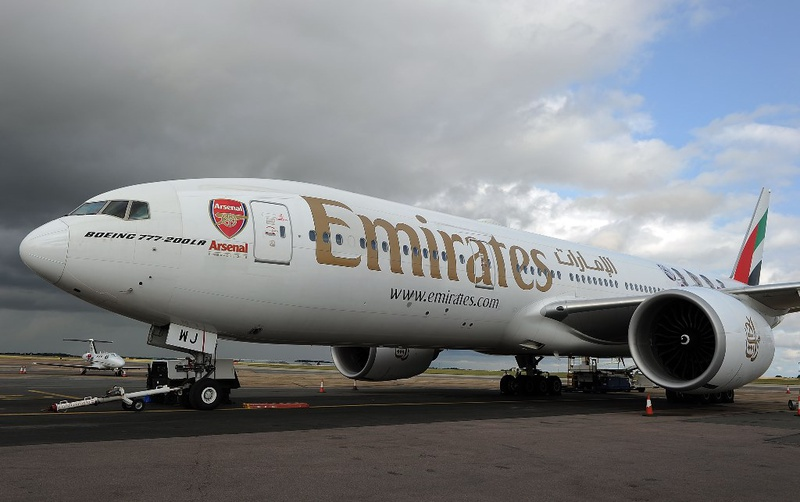
Before you approach any sponsor, map your team’s values, audience demographics and cultural identity against the brand’s. The key is to find considerable overlap. For example, when Arsenal and Emirates first partnered in 2006, it wasn’t just about a naming rights deal. Emirates wanted to connect with a passionate, global fan base. And Arsenal wanted a partner whose premium positioning matched their own ambitions.
That partnership is now the longest-running front-of-shirt sponsorship in Premier League history, extended through 2028, worth an estimated $80M per year. As Juliet Slot, Arsenal’s Chief Commercial Officer, put it:
“The longevity of our special relationship is a sign of our enduring shared values, our ambition to bring out global communities together, and our commitment to building on the numerous achievements that have marked our journey to date.”
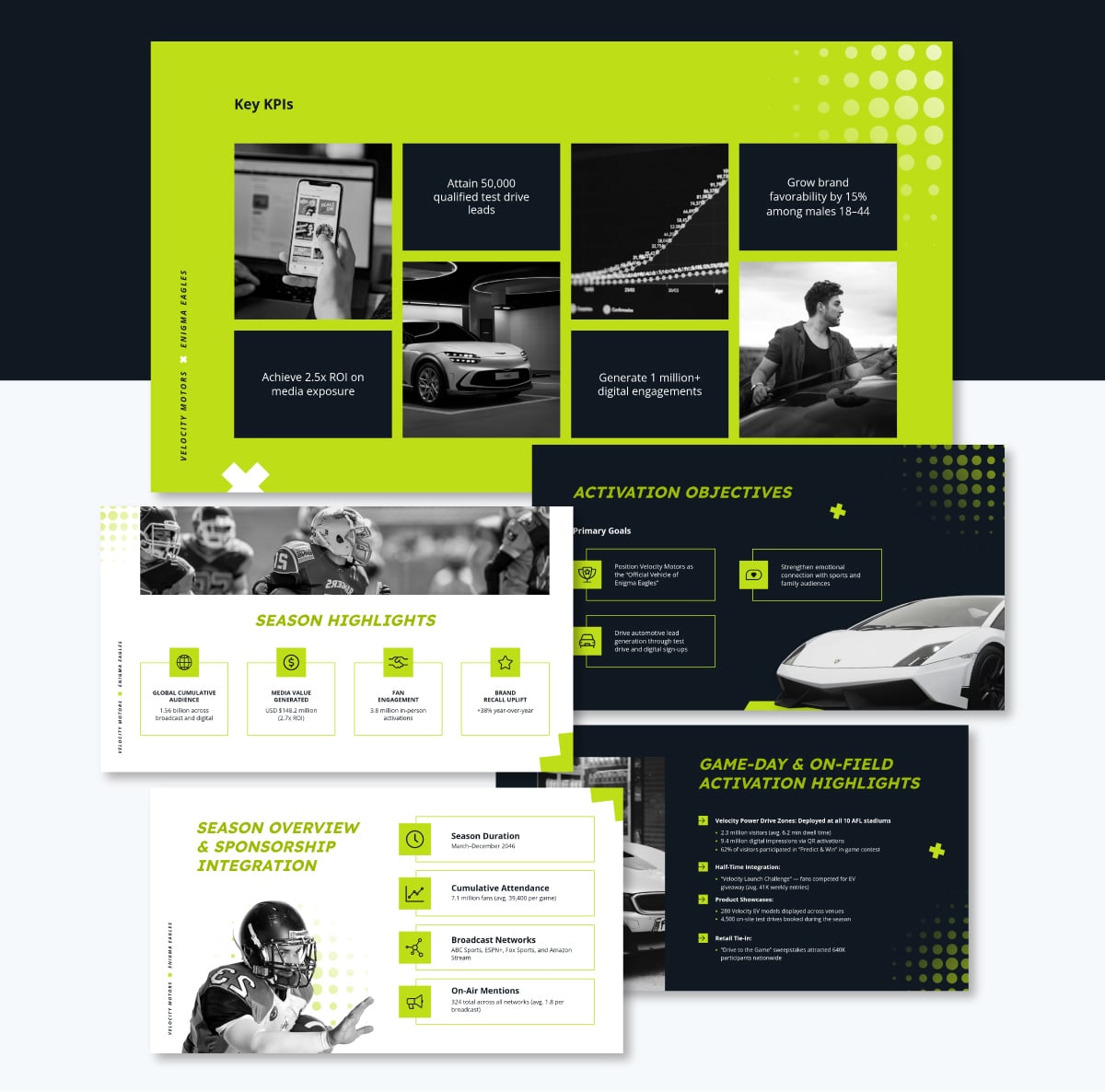
At the start of the agreement, both parties must agree in writing on what success looks like before any activation goes live. That means specific, measurable targets: a percentage increase in brand recall, a social media engagement rate, a lead-generation number, or a revenue attribution threshold. The slide below shows how to share the objectives on a presentation slide during launch.
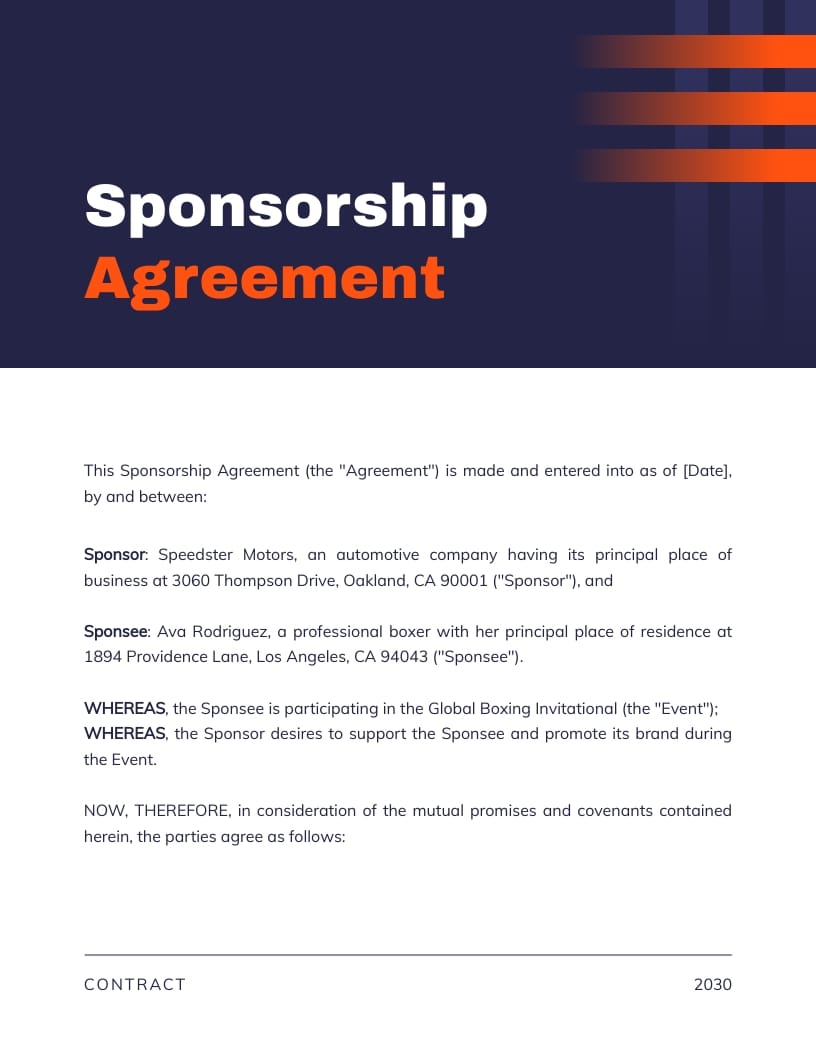
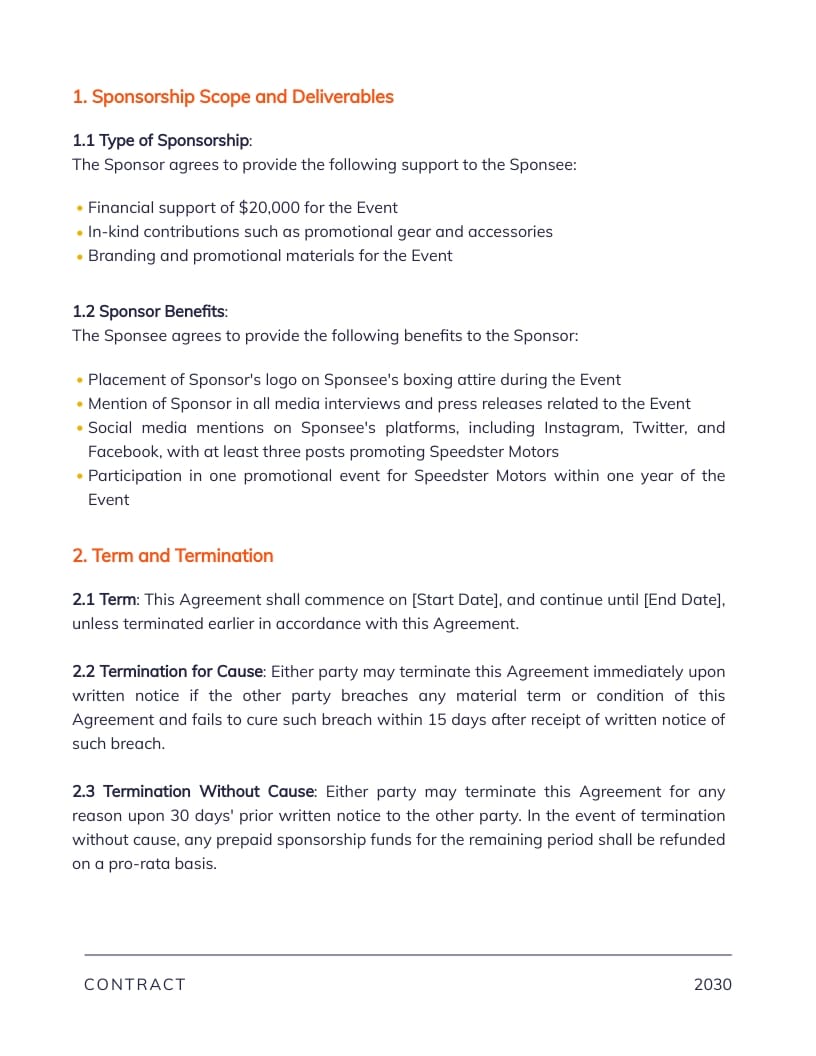
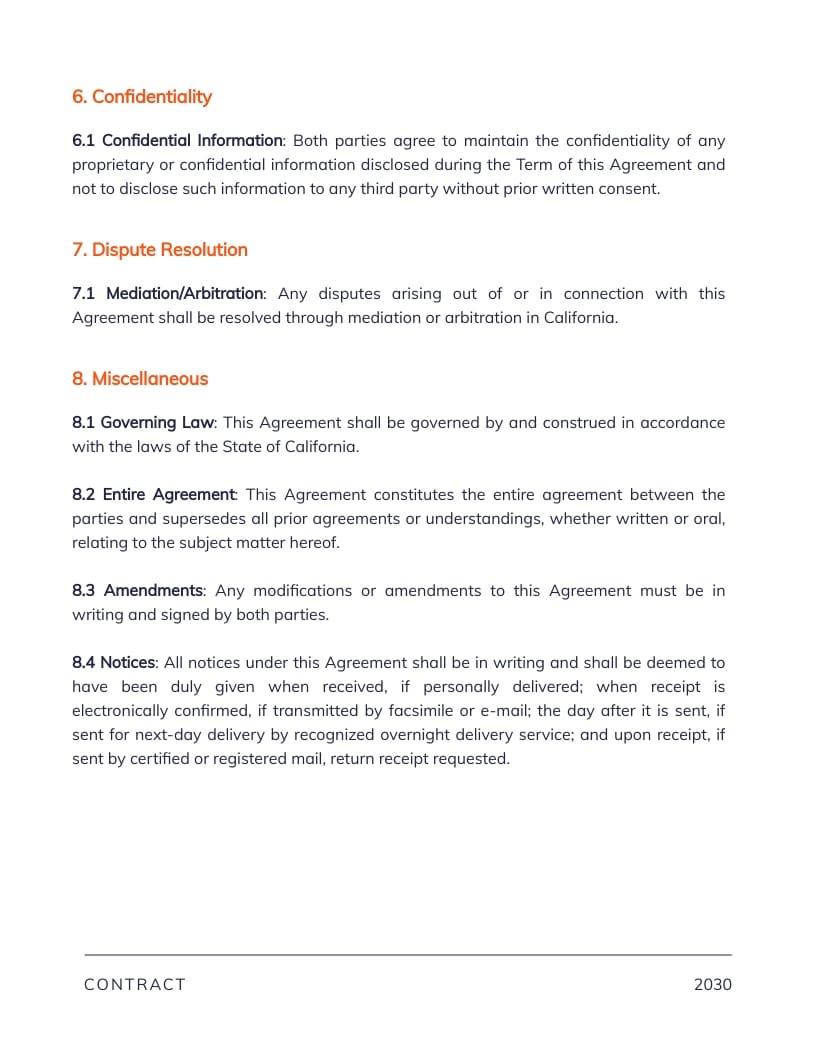
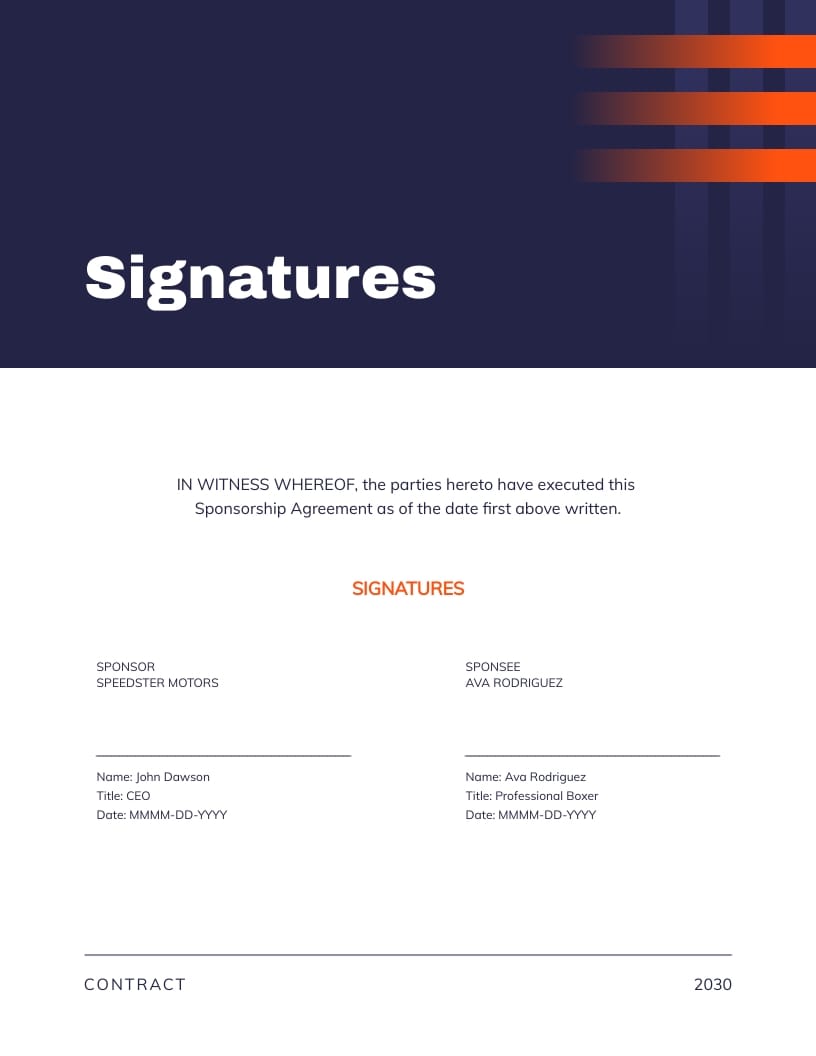
Every sponsorship carries legal and financial risk for both sides. The way to manage that risk is through a solid contract that outlines rights and obligations, asset inventories, activation timelines, approval workflows and exit clauses. It should also clearly define usage rights, exclusivity terms, content ownership, performance clauses and crisis management procedures.
When done right, this document protects both the sports entity and the brand — and gives both sides a clear playbook if things go sideways. If you need a starting point, Visme's contract templates can help you build a professional, structured agreement quickly.
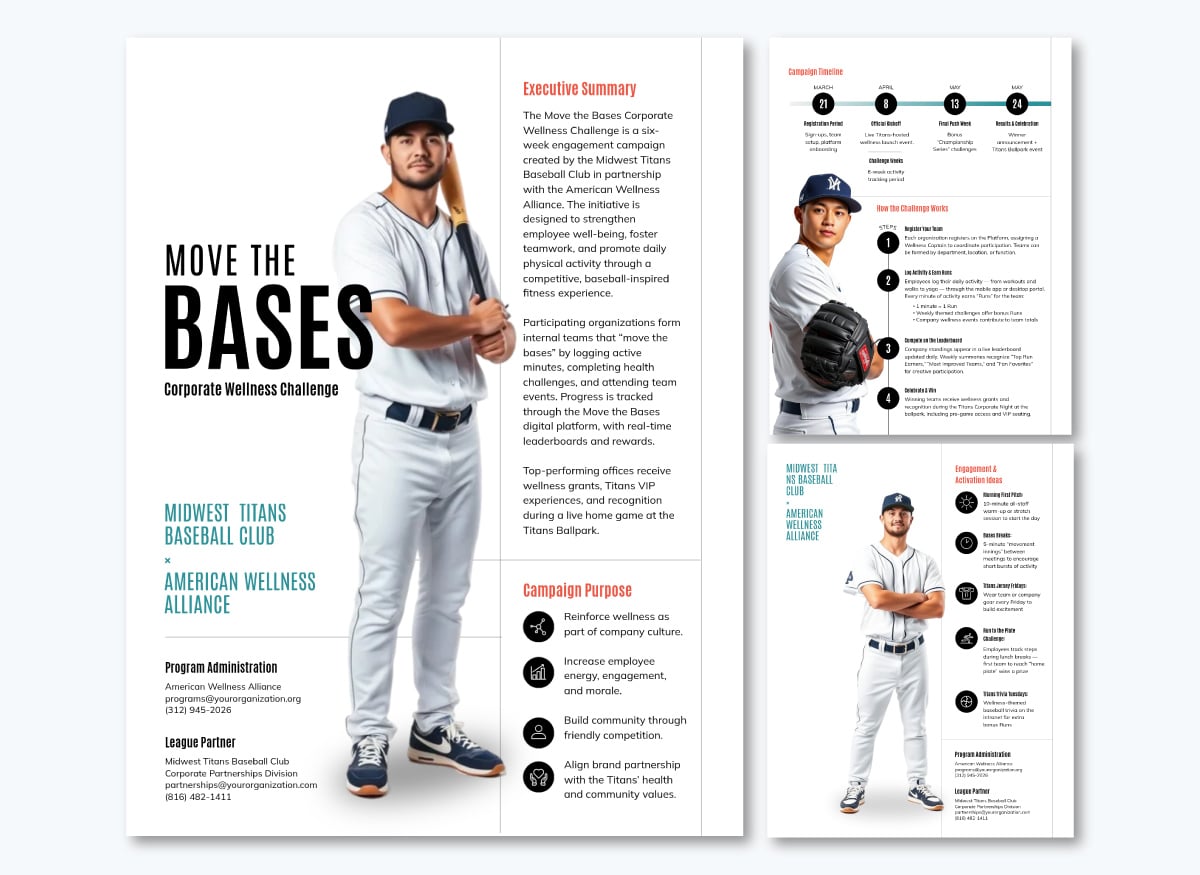
The template below is a great place to start.
Accompanying the contract is an activation plan that serves as the backbone of effective sponsorship activation management. It must cover every touchpoint, pre-season through post-season, including who owns each deliverable and when it goes live. A strong plan spans social media campaigns, behind-the-scenes content, influencer cross-promotions, fan contests, experiential marketing, email and CRM integration and retail tie-ins.
Visme has a great template you can use straight away to create your activation plan that aligns with your team's brand.
Sports fans consume content across a dozen platforms before, during, and after game day.
Teams and sponsors winning in sports marketing and sponsorship are the ones who are co-creating content. This includes co-branded social media series, behind-the-scenes access, athlete-led storytelling and interactive digital experiences.
Tools like Visme’s collaborative content creation platform, together with the AI Hub, make it easy for partnership teams to produce co-branded visual content at scale, while also saving valuable time.
None of the components above matter without strong relationships. And I don’t just mean with fans. The partnership between the brand and the sports property needs consistent communication, shared planning and mutual investment to survive beyond a single contract cycle.
On the fan side, engagement is the connective tissue that turns a sponsorship from a business deal into something fans spend their time and money on. Research from the European Sponsorship Association (ESA) found that 79% of fans feel more favorably toward brands that sponsor their favorite sports teams or athletes.
The key is to build fan engagement into every activation by designing experiences fans want to talk about and share. When fans feel like participants, the sponsorship value multiplies for everyone involved.
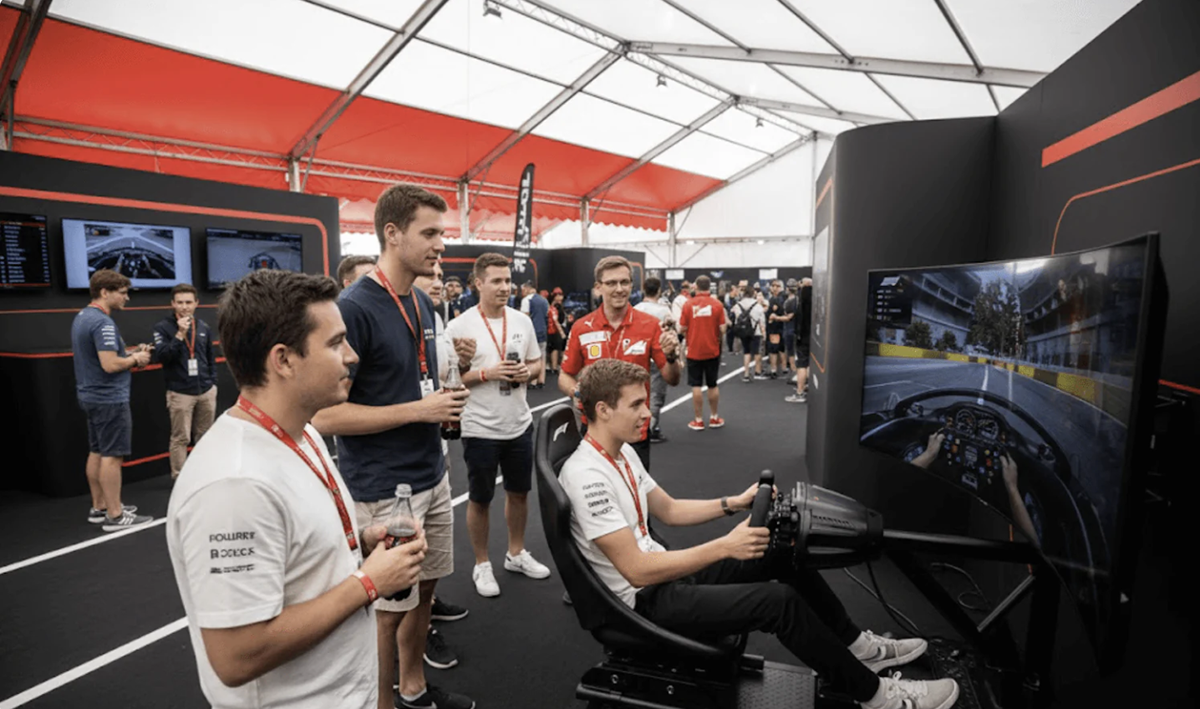
The image below is from the Formula 1 US Grand Prix fan zone, where participants could play simulator challenges and much more.
Every sponsorship needs a measurement framework built in from day one. The core metrics to track include brand exposure and media value, social media engagement and sentiment, direct business impact, fan engagement, activation participation rates, brand recall and perception shifts.
Once tracked and analyzed, package it all into a comprehensive recap report that translates raw data into a clear narrative for stakeholders. We break down exactly how to do this in the ROI section below.
Not every sports sponsorship looks the same. Understanding the different structures helps you identify which type aligns best with your team’s assets or your brand’s marketing objectives.
In this section, we’ll cover:
The landscape splits into two broad categories: sponsoring a sports team and sponsoring an individual athlete.
For sponsors, teams offer a wide reach and institutional credibility, while athletes offer personal connection and social media influence. Not surprisingly, the most effective sports sponsorship programs often combine both.
Within both categories, there are five core sponsorship types. The table below provides an overview.
| Type of Sponsorship | Definition | Example |
|---|---|---|
| Financial Sponsorship | A brand provides funding in exchange for visibility across team assets such as jerseys, stadium signage, digital platforms, and official communications. | Adidas and Manchester United’s £900 million, 10-year kit deal — one of the largest partnerships in Premier League history. |
| Material or In-Kind Sponsorship | Instead of cash, the sponsor provides products or services required for the sporting activity, such as equipment, apparel, logistics, or technology. | Adidas serving as Official Sponsor & Supplier of the Little League World Series, providing uniforms, footwear, and coaching apparel to all teams. |
| Media Sponsorship | The sponsor funds broadcasting or media rights in exchange for advertising presence and exclusive distribution rights. | Amazon Prime Video’s 11-year media rights deal with the NBA, including exclusive coverage of regular-season and playoff games. |
| Nominative Sponsorship | The sponsor’s name becomes part of the official name of a team, event, or sports facility, ensuring maximum long-term visibility. | Crypto.com Arena’s 20-year, $700 million naming rights agreement to rename the former Staples Center in Los Angeles. |
| Personal / Individual Athlete Sponsorship | Direct financial or material support for an individual athlete who promotes the brand through endorsements, appearances, and personal media channels. | Caitlin Clark’s eight-year, $28 million endorsement deal with Nike, including a signature logo, shoe, and apparel collection. |
Luxury sports sponsorships have also become an increasingly powerful category within these structures.
LVMH's €150 million deal as a Premium Partner of the Paris 2024 Olympics, spanning Louis Vuitton, Dior, and other houses, demonstrates how high-end brands can use sports to reach aspirational audiences at scale.
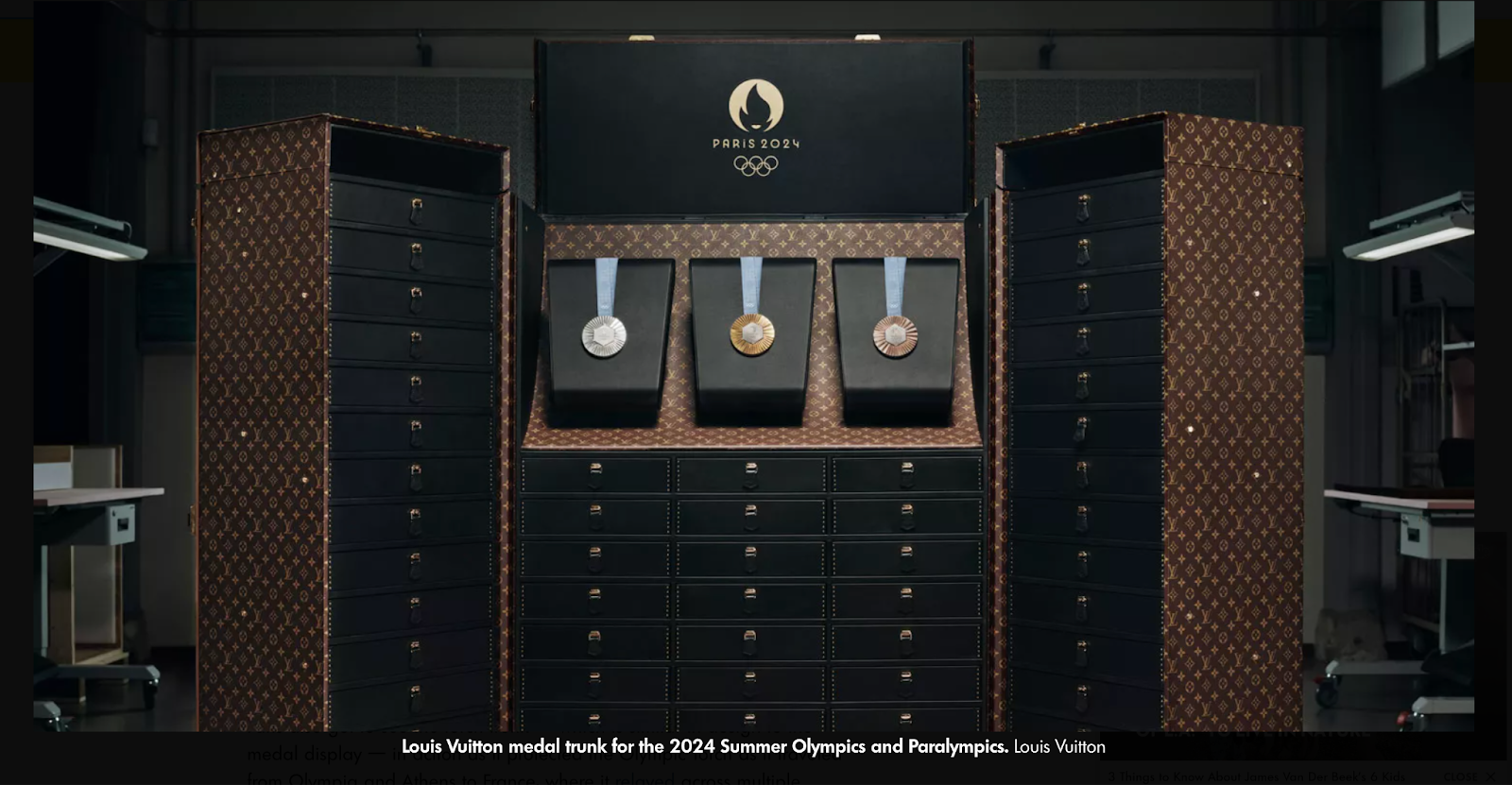
In the image below, you can see the medal trays and torch trunks designed specially by Louis Vuitton for the 2024 Olympics.
Now that we’ve covered the types, let’s look more closely at strategies that sports teams, athletes and sponsors use to build partnerships that make the most impact. These deals and approaches have reshaped the industry and demonstrated the positive effects of sponsorship in sport for both brands and the sports entities they partner with.
We’ll cover:
Sponsorship Strategies for Teams
First, let’s discuss the most common team-level sponsorship models. We’ll look at how they work in practice and what makes each one effective.
A full-scale partnership is the highest tier of sports sponsorship. The brand is woven into every visible touchpoint throughout the season with:
The gold standard here remains Arsenal and Emirates. Beyond the kit and stadium name, Emirates flies the team on pre-season tours, runs co-branded fan experiences globally and even decorated an Airbus A380 in Arsenal colors.
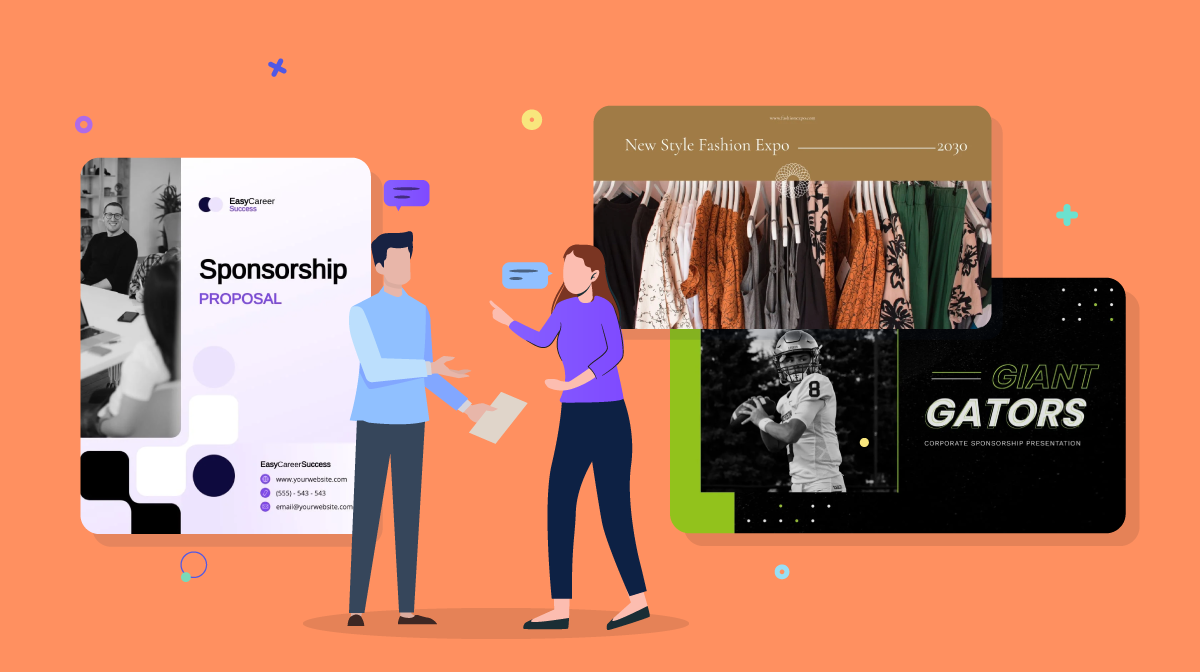
For teams looking to pitch this level of deal, the sponsorship deck needs to clearly map every asset, from broadcast inventory to digital reach, and show the sponsor how each one connects to their business objectives.
Purpose-driven partnerships have moved from “nice to have” to “must-have.”
According to Lumency’s Global Sponsorship Trends Report 2025, activations linked to Diversity, Equity, Inclusion, Belonging, and Sustainability (DEIB/ESG) initiatives generate 22% higher engagement than traditional sponsorships and content tied to social causes produces 33% more engagement.
Millennials and Gen Z expect brands to commit sincerely to the causes they care about, making purpose the new currency in sports sponsorship strategies.
Barclays is a great example. Their sports sponsorship strategy has gone beyond sponsoring professional women’s football to include funding grassroots girls’ football programs, boosting its brand image as a champion of equal opportunity.
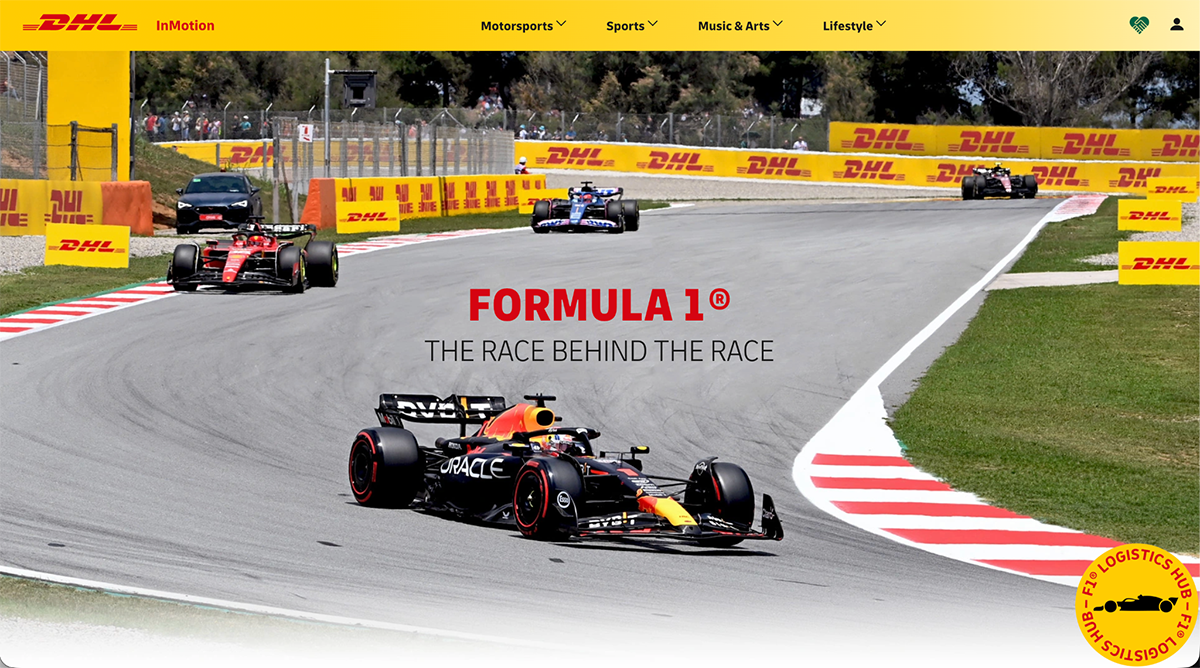
Likewise, DHL’s Formula 1 partnership aligns directly with its 2030 net-zero goal, and carbon-neutral SailGP attracts premium sponsors like Rolex, Emirates and DP World who want a green platform built into the deal.
A marquee deal gives the sponsor a dominant visual presence, typically on LED perimeter boards, on the court or field itself, and in premium digital placements during broadcasts. Energy brands are among the most active in this area.
According to SponsorUnited, more than 500 energy brands are buying sponsorships or media, averaging three sponsorship deals per brand.
Constellation Energy sponsors several sports teams in the United States. One of them is the Baltimore Ravens. In the video below, you can see that the brand activations include several types of marquee deals and phone-charging stations.
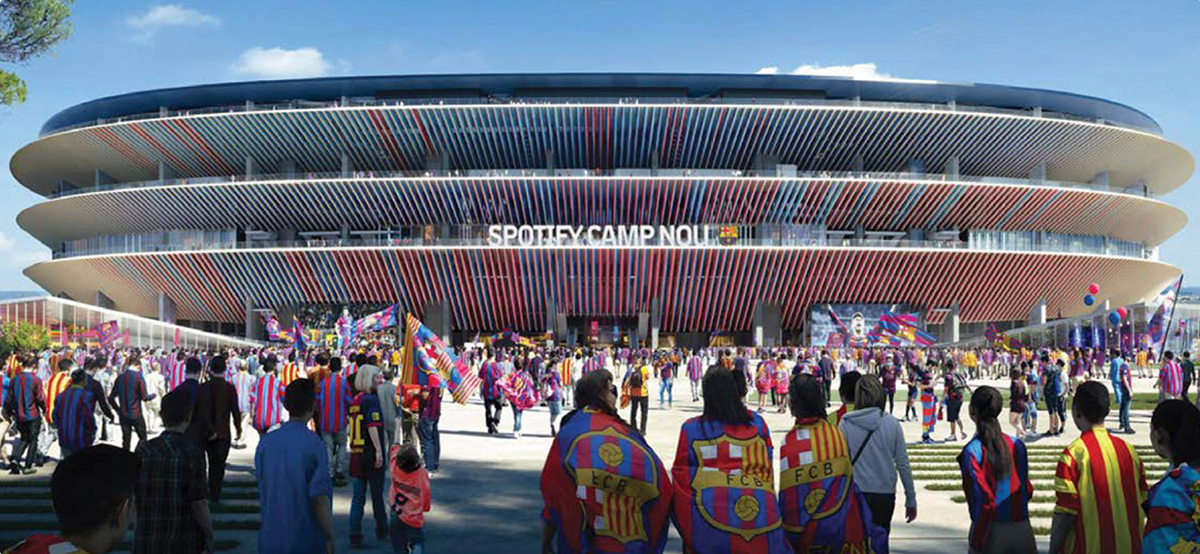
Another high-impact sponsorship strategy is naming rights. This is when the brand name is added to a stadium name or it’s changed completely to a new name that aligns with both the brand and home team or teams. Some examples include the Crypto.com Arena, SoFi Stadium, Spotify Camp Nou and AT&T Stadium.
That said, this strategy doesn’t just work at the highest tier of sports. It also works at a local or community level. A local brand can sponsor a Little League team and build them a dedicated practice and sports facility named after the brand.
Event-level sponsorships let brands own specific moments rather than entire seasons. This includes championship and playoff sponsorships, halftime shows and tournament-wide deals.
For example, Apple Music’s Super Bowl halftime sponsorship is a masterclass in event-level strategy.
Instead of spreading investment across the full NFL season, Apple focuses its spend on the single most-watched broadcast moment in American sports, generating massive global awareness for Apple Music in one activation window.
The 2026 Super Bowl featured Apple Music’s "Road to Halftime” campaign with Bad Bunny. They built anticipation weeks before the event through exclusive content drops on social media.
Michelog Ultra took a different approach at the 2024 Copa America. As the official beer sponsor, the brand launched citywide activations across 14 host cities, featuring branded fan zones, pop-up bars, and digital sweepstakes tied to its “Ultra Summer” platform.
This turned a tournament partnership into something fans could experience beyond the stadium.
Team-level strategies get a lot of attention, but sports sponsorship for individuals is where some of the most creative and lucrative deals happen.
Athletes bring strong personal brands, massive social media followings and the kind of authentic connection that fans love.
Here are the most impactful approaches.
Athletic-wear sponsorships remain the cornerstone of individual-athlete deals. These go far beyond putting the athlete’s name on a sneaker. The most lucrative deals include signature product lines, co-designed collections and revenue-sharing arrangements.
Caitlin Clark's deal with Nike is a perfect example.
Clark signed an eight-year, $28 million contract that includes a signature logo, a signature shoe, and a full apparel collection, making it the richest sponsorship contract for a women's basketball player.
Nike beat out Under Armour (which offered $16 million over four years) and Adidas ($6 million over four years) to land the deal.
And the projected business impact is significant: one industry estimate suggested Clark's signature shoe could become a $150 million business and a top-five signature franchise across basketball.
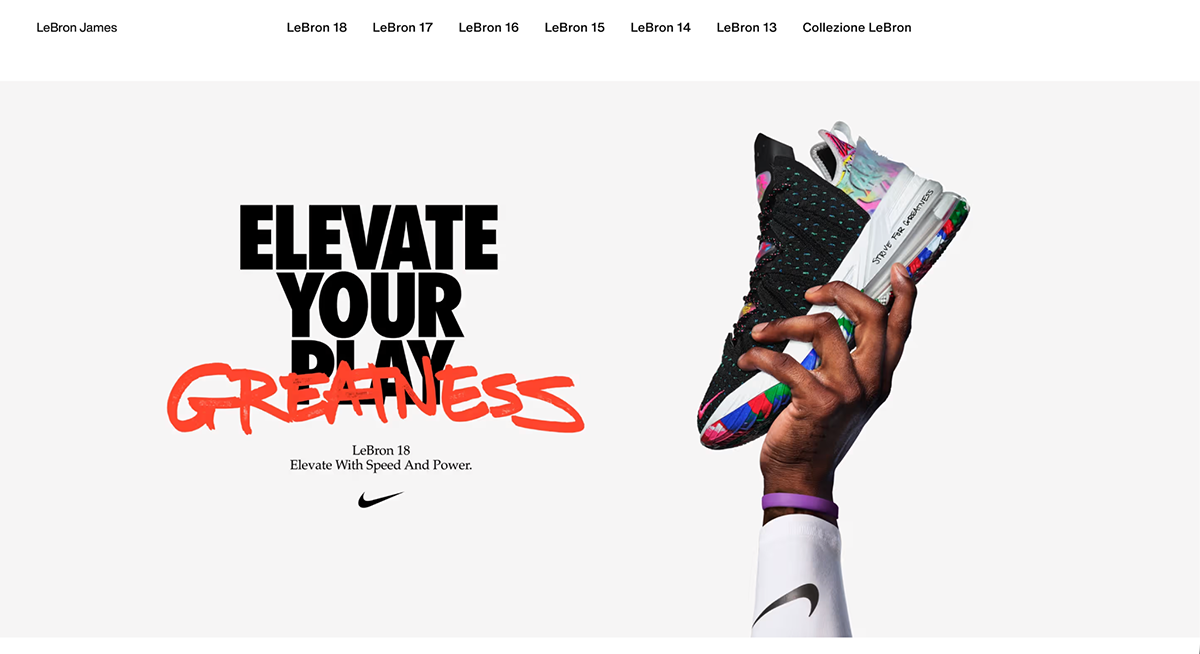
On the men's side, the best example is LeBron James's lifetime Nike deal—the first of its kind in the company's 44-year history. It set the standard for how athletic wear partnerships can evolve into something much bigger than product endorsement.
Originally signed out of high school in 2003 for $90 million over seven years, James re-upped in 2015 with a lifetime contract estimated to be worth over $1 billion. His signature shoe is now in its 22nd iteration and has expanded into football cleats and a full lifestyle collection.
As his business partner, Maverick Carter told GQ Style: "It's a fantastic deal. Nike feels great about the deal. That's the most important thing." The deal proves that when an athlete and brand grow together over decades, the value compounds far beyond what any fixed-term contract can deliver.
Brand ambassadorship extends athlete sponsorships beyond the courts. Ambassadors promote the sponsor through personal channels, appearances, content creation and lifestyle integration. And this applies to current and former athletes
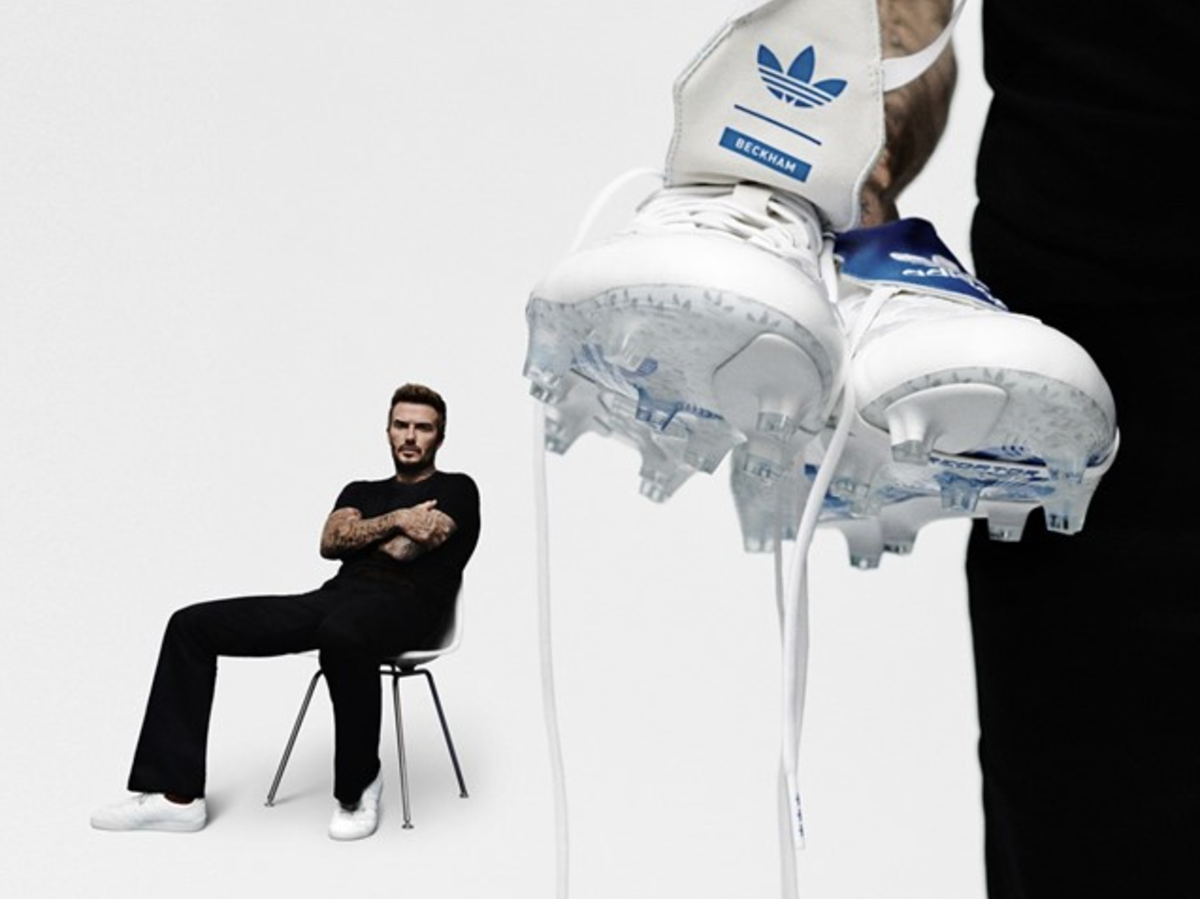
One standout example is David Beckham's long-running relationship with Adidas. A Prophet study found that Beckham's ambassador work (spanning UNICEF, Adidas, and more) succeeds for one reason. It links his commitments to strong brand values such as integrity, consistency, and social responsibility. His brand-related visibility consistently outperforms that of athletes with even larger followings, proving that narrative consistency matters more than reach.
David Beckham shared his thoughts during the launch of the Predator boot,
“I’ve loved designing this special Predator boot and collection with adidas. It’s great to finally share what we’ve been working on with fans of the adidas Predator and Originals. For the first time ever, this Predator features the iconic trefoil – I asked the question and they said yes… and I’m so proud of how the collection has turned out. It’s fantastic to celebrate 30 years of the Predator and with that, look back at many amazing on-pitch moments for myself and so many others.”
Additionally, the rise of NIL (Name, Image, and Likeness) deals has also opened up ambassador opportunities for collegiate athletes. Football and basketball lead in NIL deal volume for male athletes, while volleyball and basketball dominate on the women’s side.
Shedeur Sanders, valued at $6.5 million in NIL deals, has become one of the highest-earning college athletes in history by partnering with brands that align with his personal brand and massive social following. Meanwhile, BYU's AJ Dybantsa secured a collective deal worth between $5 and $7 million.
Pro Tip: If you’re building sponsorship proposals for any of these strategy types, check out Visme’s sports presentation templates to get started fast. Use the Brand Wizard to auto-apply your team’s colors, fonts and logos across every slide.
Another critical part of sports sponsorship is the process of acquiring sponsors to close deals with. Here’s how to do it:
Step 1: Build your sponsorship package. Get clear on what you're offering, who you're targeting and what makes your sports property worth sponsoring, including audience data, activation opportunities and measurable value. Our guide on sponsorship packages walks you through the details, and Visme's AI Writer can help you nail the wording.
Step 2: Identify the right sponsors. Not every brand is the right fit for every team. Research partners whose values, audience and marketing objectives overlap with yours. This article on sponsorship opportunities covers where to find prospects and how to approach them.
Step 3: Use software to streamline the process. Platforms like SponsorCX and KORE help sports organizations pinpoint potential sponsors, manage relationships and track activation.
Want to know more? Check out this video we created just for this topic.
Sports sponsorship activation is how deals come to life. An activation is an activity or experience that brings the sponsorship to the fans.
Sports sponsorship marketers and executives like Lee Zohlamn are confident that activations are a big part of the journey to success.
As he shares on his LinkedIn, “The sponsorship really means nothing without a great activation and measurement plan. The best teams that do this balance the business side with the creative side.”
In this section, we’ll discuss how to nail your activation strategy by touching on these topics:
Here’s a list of some of the most common activation types. The final details of each one will depend on your scenario.
Simple infographic visual with the list above.
Made with Visme Infographic Maker
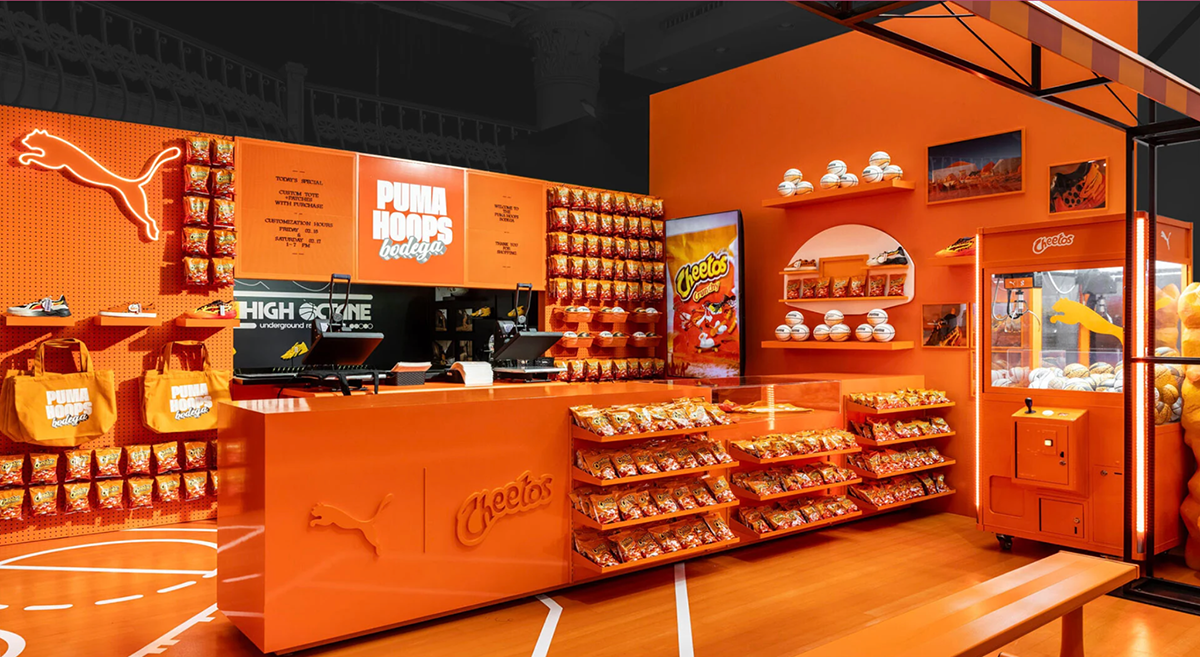
And here are some examples of out-of-the-box activations that made an impact by going beyond the standard playbook.
We shared these and more in our sponsorship activation guide.
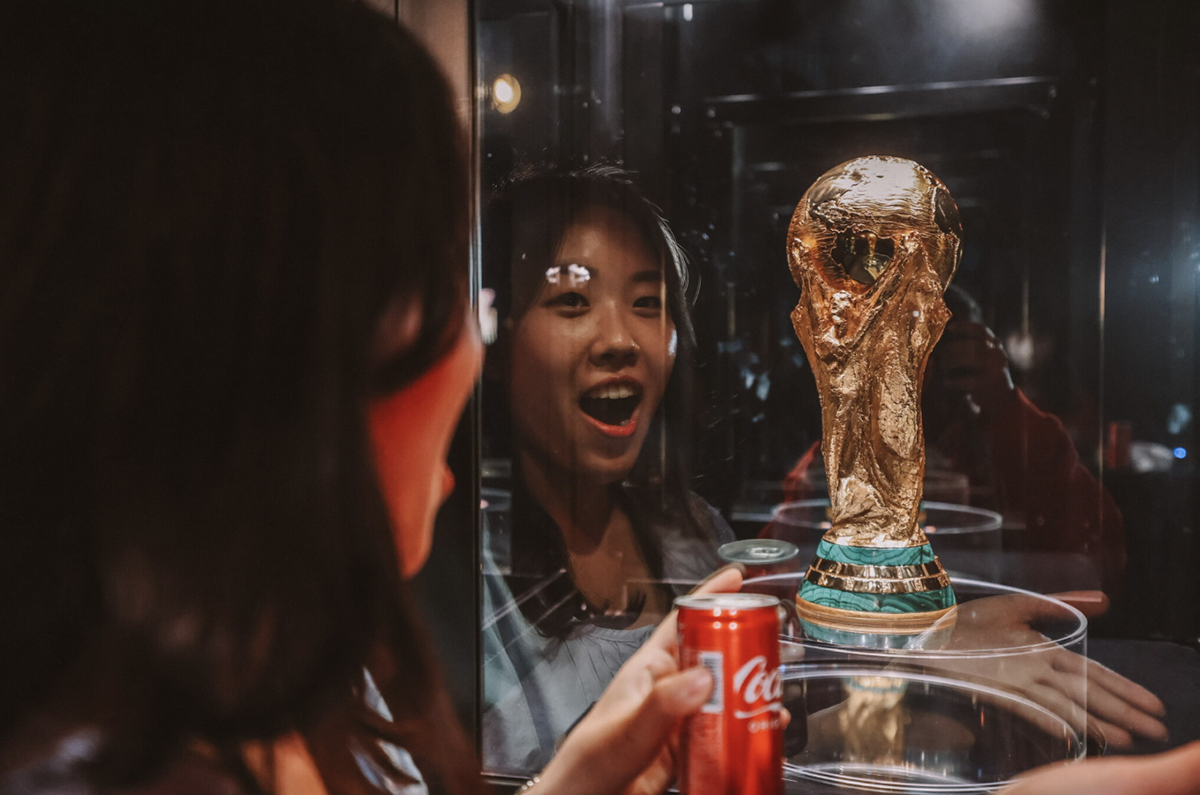
;new: Source
For more inspiration on how sports marketing strategies translate beyond the field, check out this video on marketing lessons from the NFL.
Last but not least, here are a few activation flops worth learning from. They’re from a few years back but still stand as some of the worst sponsorship situations to date.
Lee also mentioned that activations need a measurement plan. Part of that plan is the activation ratio.
This is the exact definition from the experts at Lumency, a brand-side sponsorship marketing consultancy:
“The activation ratio is a key leading KPI for sponsorship marketers. It reflects how much a sponsor spends on activation relative to what it spends on rights fees, calculated at the property level, across a subset of the portfolio (i.e., music festivals, properties in a particular region), or across the full sponsorship portfolio.”
According to Lumency, the global average activation ratio is 0.81:1, meaning that for every dollar spent on rights fees, sponsors invest 81 cents in activation. But that’s the average. Studies recommend ratios as high as 8:1 to fully extract value from a sponsorship.
A widely used starting point for setting your activation ratio is the 70/30 rule: allocate 70% of your budget to the sponsorship fee and 30% to activation. This is definitely not a rigid formula but rather a starting point.
Consider the unique characteristics of your sponsorship, industry trends, and your target audience's preferences to adjust the ratio accordingly.
Under-activation is one of the most common and typically most expensive mistakes in sports sponsorship. As the experts at sponsorship consultancy, Drive Sports Marketing explain, some companies "spend pretty much all the budget on buying the marketing rights and hope that some brand visibility and a couple of social media posts will dramatically increase sales or brand preference." Unfortunately, that rarely works well enough to truly make the impact the agreement needs to be worthwhile.
When a brand pays for the rights but doesn't fund activations to bring them to life, there won’t be opportunities for fans to engage and brand recall stays flat. Then, at renewal time, the ROI data isn't there to justify the investment. The result? The sponsor walks and the sports property has to start the sales cycle all over again.
The fix is simple in theory: budget for activation from day one. Build activation costs into every sponsorship proposal. And make sure both sides understand that the rights fee is just the starting line.
Effective activation planning typically follows a five-step process. Let’s go through it.
Made with Visme Infographic Maker
Step 1: Define shared objectives. Both the brand and the sports property align on what the activation needs to achieve. Is it awareness, engagement, lead generation, sales or a combination?
Step 2: Map your assets and touchpoints. Inventory every activation opportunity: in-stadium, digital, social, broadcast, experiential and hospitality. Assign each to a specific objective.
Step 3: Build the creative and content plans. Develop campaigns, content series, fan experiences and digital assets that will bring the sponsorship to life across every touchpoint.
Step 4: Assign ownership and timelines. Every deliverable needs a clear owner and a deadline. For visual communication content, Visme's Workflows feature makes it easy to assign tasks, track approvals and keep your team aligned.
Step 5: Launch, measure and optimize. Activate the plan, track performance against your KPIs and adjust over time. The best activation plans aren't static; they evolve based on what the data tells you.
If you can’t prove what a sponsorship delivered, you’ll have trouble renewing it.
Strangely enough, even though measuring sports sponsorship ROI is vital, 76% of marketers still struggle to calculate it accurately.
In this section, we’ll discuss:
The gap between the data that teams collect and the data sponsors want to see remains the biggest friction point in renewal conversations.
So, to close that gap, you need both a measurement framework and a reporting process that translates raw collected data into an engaging narrative for stakeholders to review.
Strong sports sponsorship management means building measurement into the partnership right from the start, not scrambling to pull numbers together when the contract is up for renewal.
As you set up a measurement plan and tracking system, focus on these core metrics:
As Forrester analyst Mike Proulx notes, sports sponsorships provide a "halo effect" for brand-building efforts, which is why brand-lift studies are common while harder ROI measures remain thin on the ground. But the brands pushing for workarounds, such as data clean rooms, CRM integrations, and attribution tracking, are the ones closing the measurement gap.
For a data-driven approach to your ROI reporting, Visme’s data visualization tools help you turn raw sports sponsorship analytics into dashboards and partner recap reports that sponsors can understand and share with their own leadership.
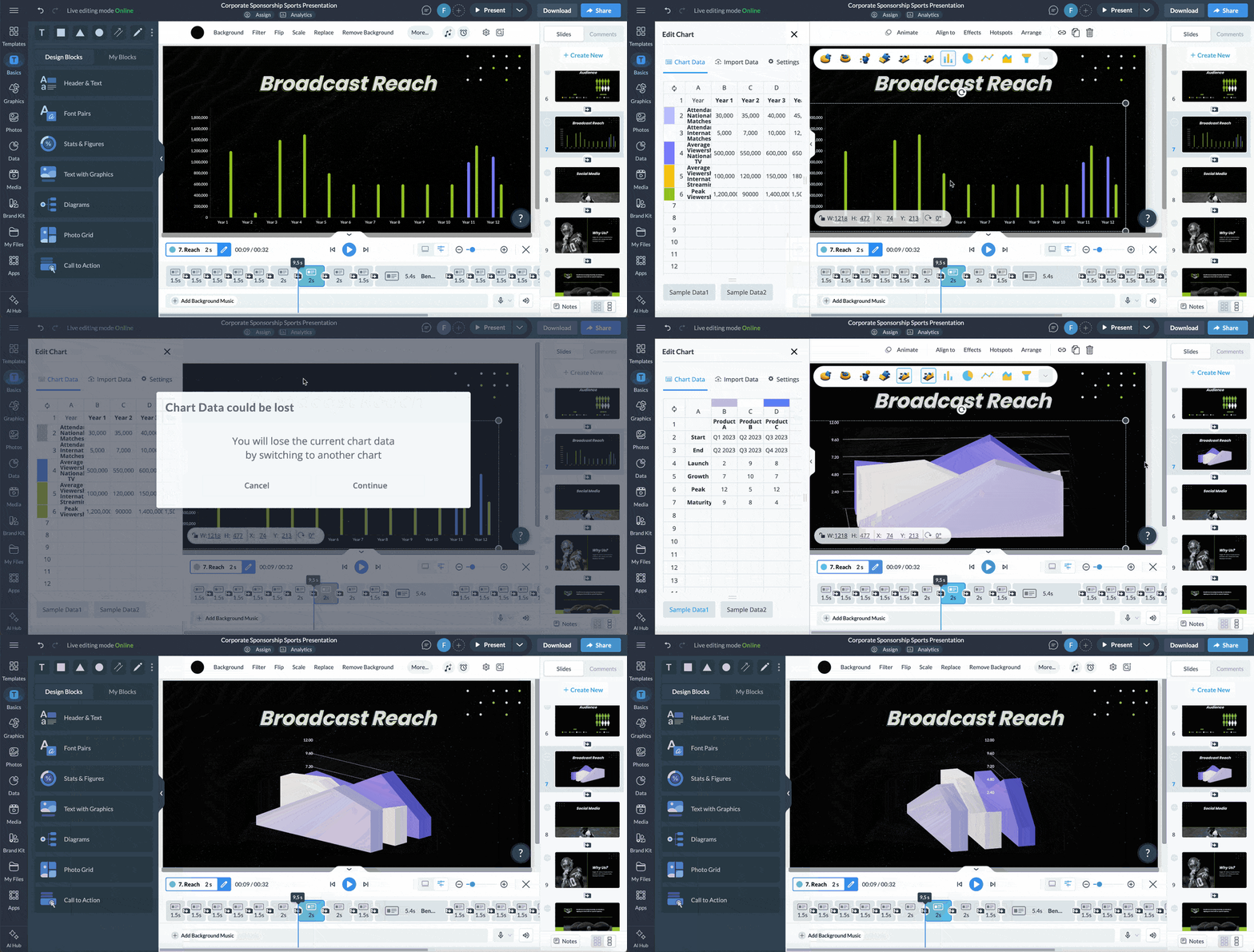
The recap report is the single most important deliverable in any sponsorship relationship. It’s the document that proves what was promised, what was delivered and what it was worth. It is also the document that either earns you a renewal or forces you into another RFP cycle.
A strong recap report should include:
Here at Visme, we offer the sports sponsorship recap presentation template below. It includes all those sections, a professional layout, data visualization components and a ready-to-personalize design.
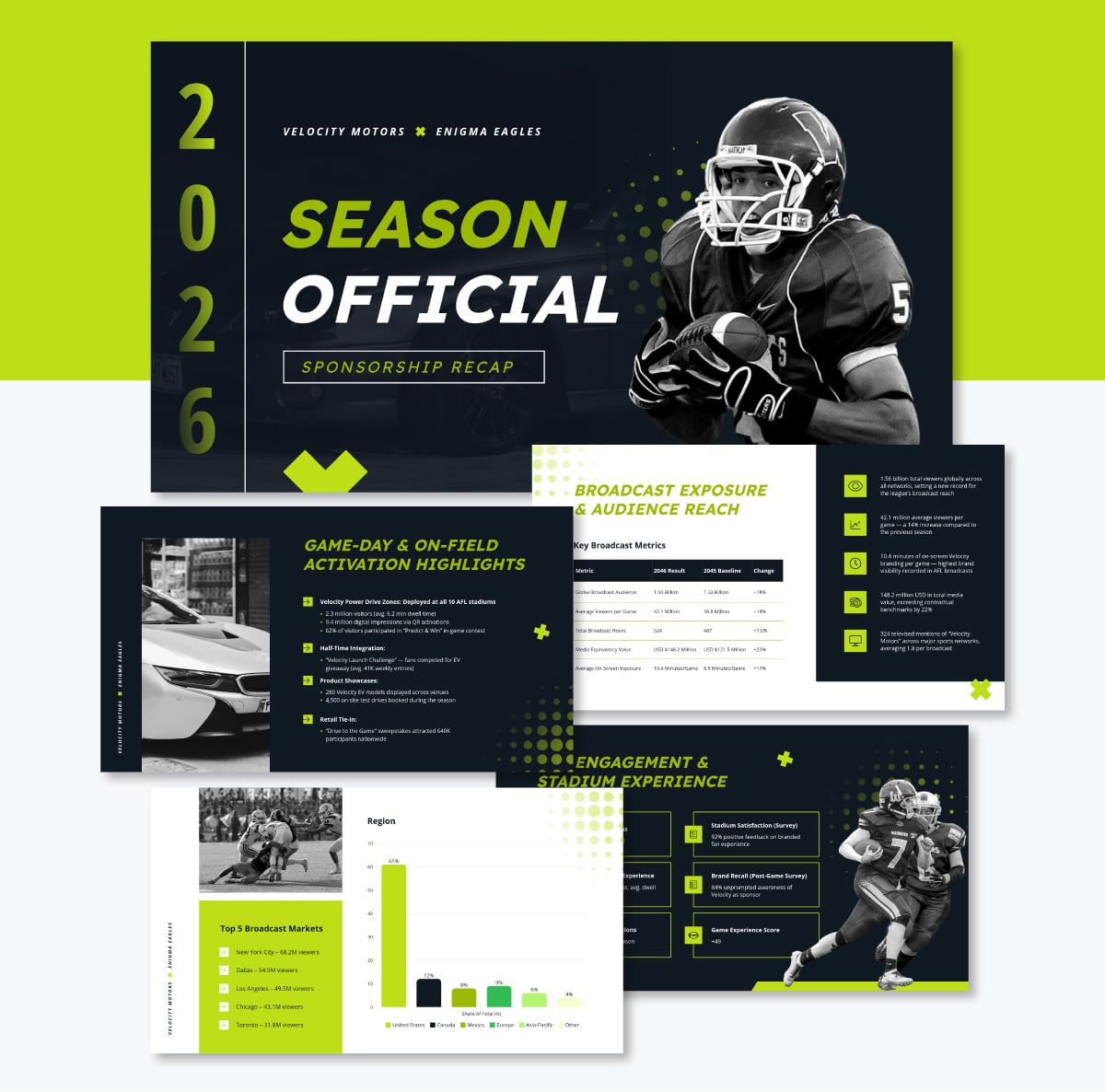
Pull from the platform's library of icons, stock photos and videos to make every data point and visual perfect across your slides or pages.
When your recap report is ready, take advantage of Visme's extensive share and publish features, which let you send interactive presentations directly to sponsors via a live link or download as a PDF.
After sending, use Visme's built-in analytics to track who views your report and which slides get the most attention, so you know exactly what resonates.
Sports sponsorship is a commercial agreement between a brand and a sports team, athlete, league or event. Sponsorships are designed to benefit both parties: brand visibility for the sponsor and valuable resources for the sports entity.
Sports teams attract sponsors by demonstrating measurable data about audience and fan engagement, media reach and activation opportunities. These are presented in sponsorship decks that also outline their value proposition, including demographic information, broadcast viewership, social media following and partnership tiers. There are also PR activities teams can do, like attending sports industry conferences and leveraging existing relationships.
The main action to help you achieve a successful sports sponsorship is to ensure strong brand alignment between the sponsor and the sports entity from the start. Beyond that, the agreement needs clearly defined KPIs, a robust activation strategy, well-oiled content creation and consistent performance measurement.
Furthermore, the best sponsorships are activated across multiple channels and regularly evaluated against the agreement objectives.
Finally, the metrics that really seal the deal are increased brand awareness, heightened fan loyalty and measurable revenue growth for both the team and the sponsor.
Sports organizations regularly seek sponsors to cover a range of costs and needs. On the other hand, brands offer sponsorships to sports organizations in exchange for marketing rights and access to their fan bases. Sponsorship actions and campaigns are called activations and they represent every way the brand and the sports entity work together for the growth of both.
Sports sponsorship ROI is measured using this formula: (Net Profit from Sponsorship Activities ÷ Total Sponsorship Cost) x 100. Key metrics include brand impressions, social media engagement, website traffic, direct sales attribution, shifts in brand sentiment and audience reach. Advanced measurement tools include marketing mix modeling, social media analytics and custom survey research.
The four primary types of sponsorship are:
The brands/sponsors that consistently rank among the highest spenders in sports sponsorship, with investments spanning multiple leagues, events and individual athlete endorsements globally as of 2026 are:
Sports sponsorship is only as strong as the content and experiences that bring it to life. From the first prospecting email to the final recap report, every touchpoint is an opportunity to demonstrate the value and set up the next one.
That's where Visme comes in. With a Visme account, you can cover every step of the sponsorship journey by building polished sponsorship proposals, designing activation plans, creating co-branded content with your partners and putting together recap reports.
Ready to take your sports sponsorship program to the next level? Explore Visme's Sports Hub to access templates, tools and resources built for sports marketing teams.

Design visual brand experiences for your business whether you are a seasoned designer or a total novice.
Try Visme for free